
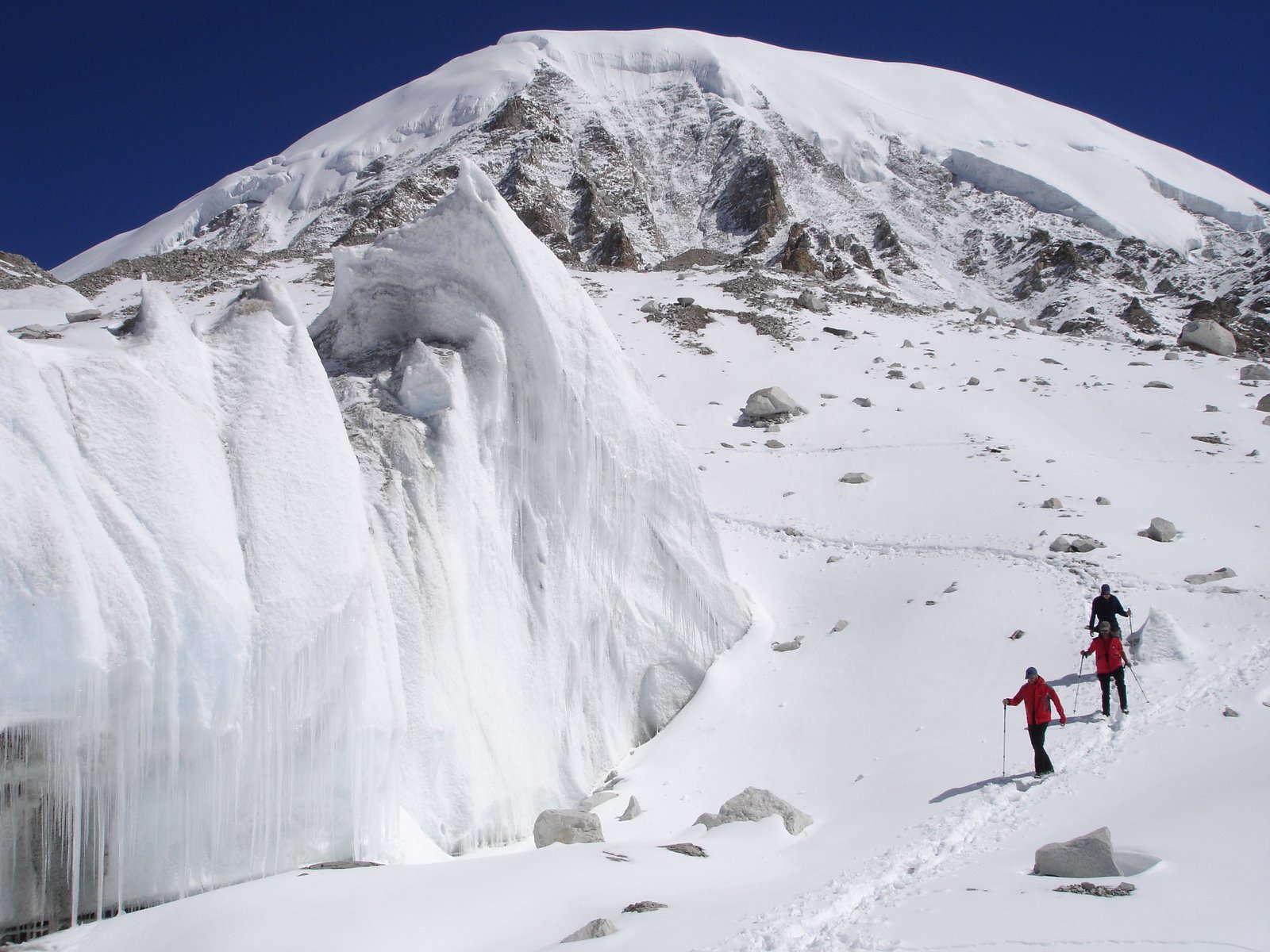
Cho Oyu · 20 years — 2/5
Without oxygen, without sherpas: a choice, a commitment
Why set off on an 8000er in full autonomy, without oxygen or sherpas? Twenty years after our Cho Oyu, a look back — not at the performance, but at what truly mattered: a shared choice, a way of living the mountains, and a human experience that marked us for life.
Why such a project?
A desire to taste high altitude, shared by four guide friends. A curiosity, an experience, wanted together, with a certain philosophy. You could call it a “style” — but I’ve never liked classifying climbs. We simply wanted a summit without oxygen, by our own means. To see whether it was possible. And how.
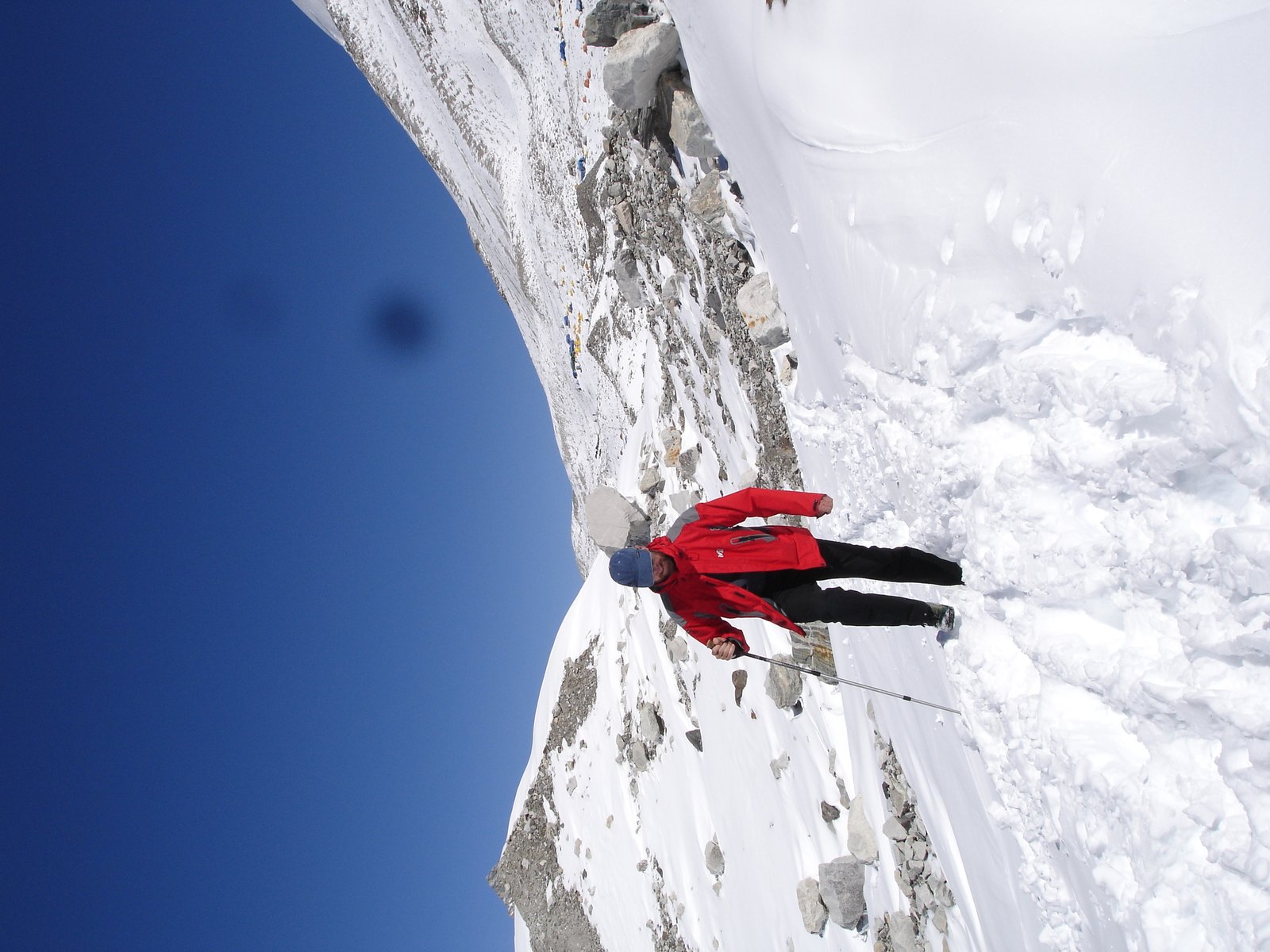
More than a climb, a life experience
More than a climb, I’d say it was a life experience — shared with people we knew, and who agreed to live it this way. Because it’s no small thing to set off on an 8000er when your highest summit is the Aiguille Verte and you’ve already had a touch of AMS (acute mountain sickness).
So we talked a great deal, before and during: guides and amateurs, together. And we handled the unforeseeable — those “surprises” that make the mountains what they are — by discussing and making collective decisions.
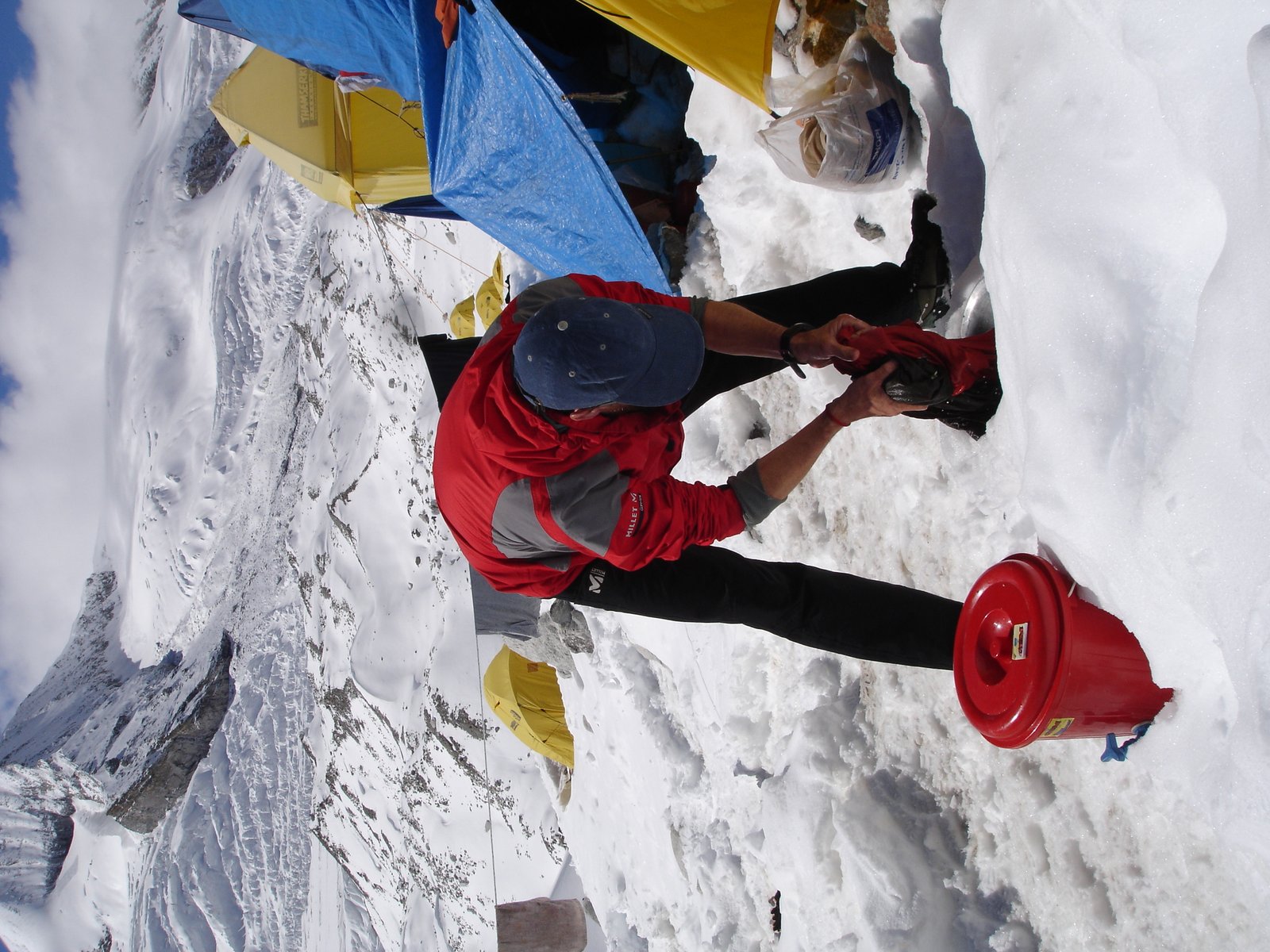
Sharing the loads, acclimatising, moving forward together
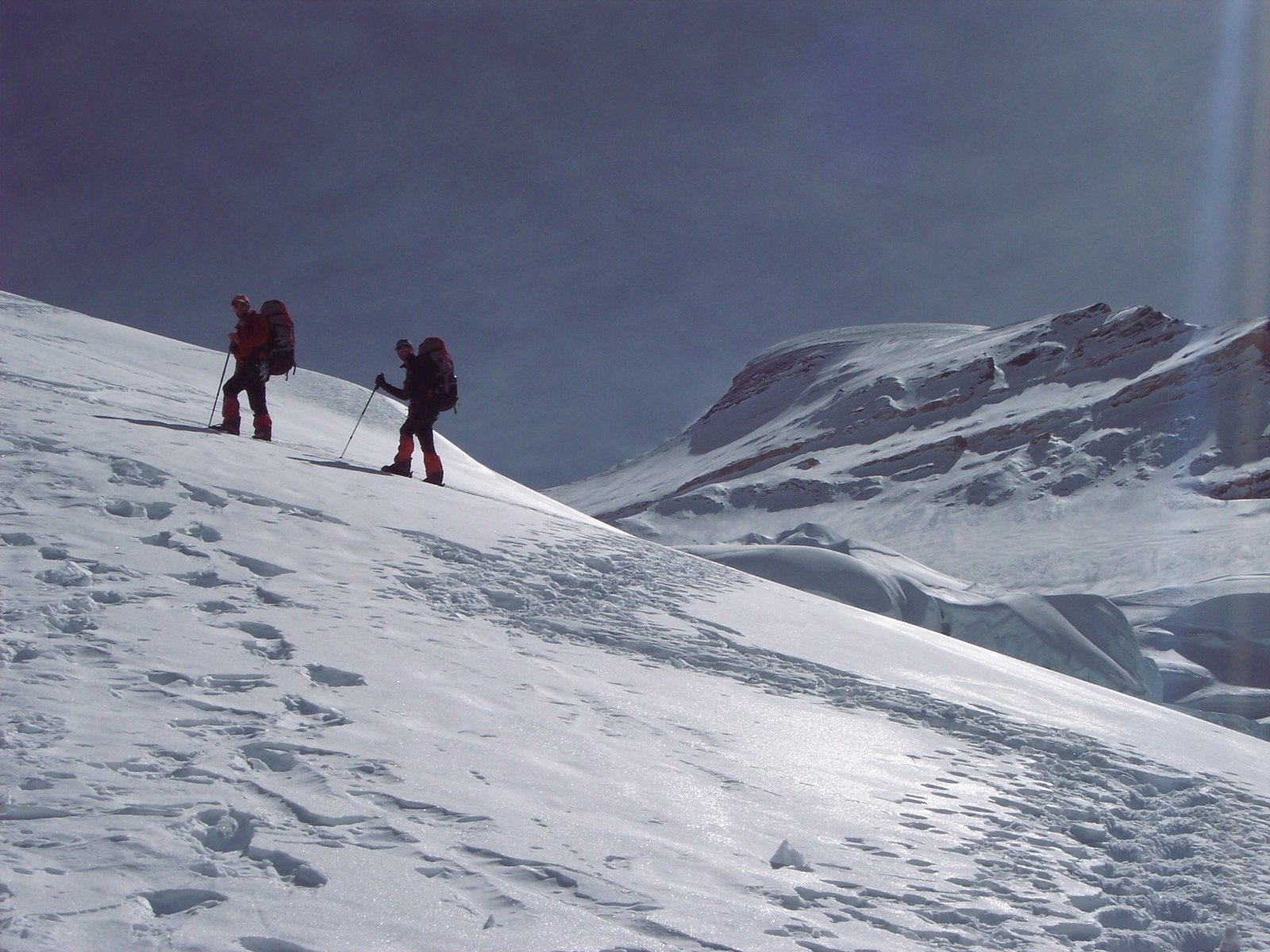
Sharing the loads. Acclimatising. We’re all different, and we all had our moments of doubt — hard to manage, physically and mentally. But the strength of the group meant we always managed to move forward, together.
Every stage had been decided in advance: the acclimatisation trek, setting up the camps, then waiting for the right weather window. Our strength was our autonomy, and our ability to be reactive and adaptable. Our weakness was that if conditions became too extreme, we’d be too “lightweight”. We knew it. We had accepted it.
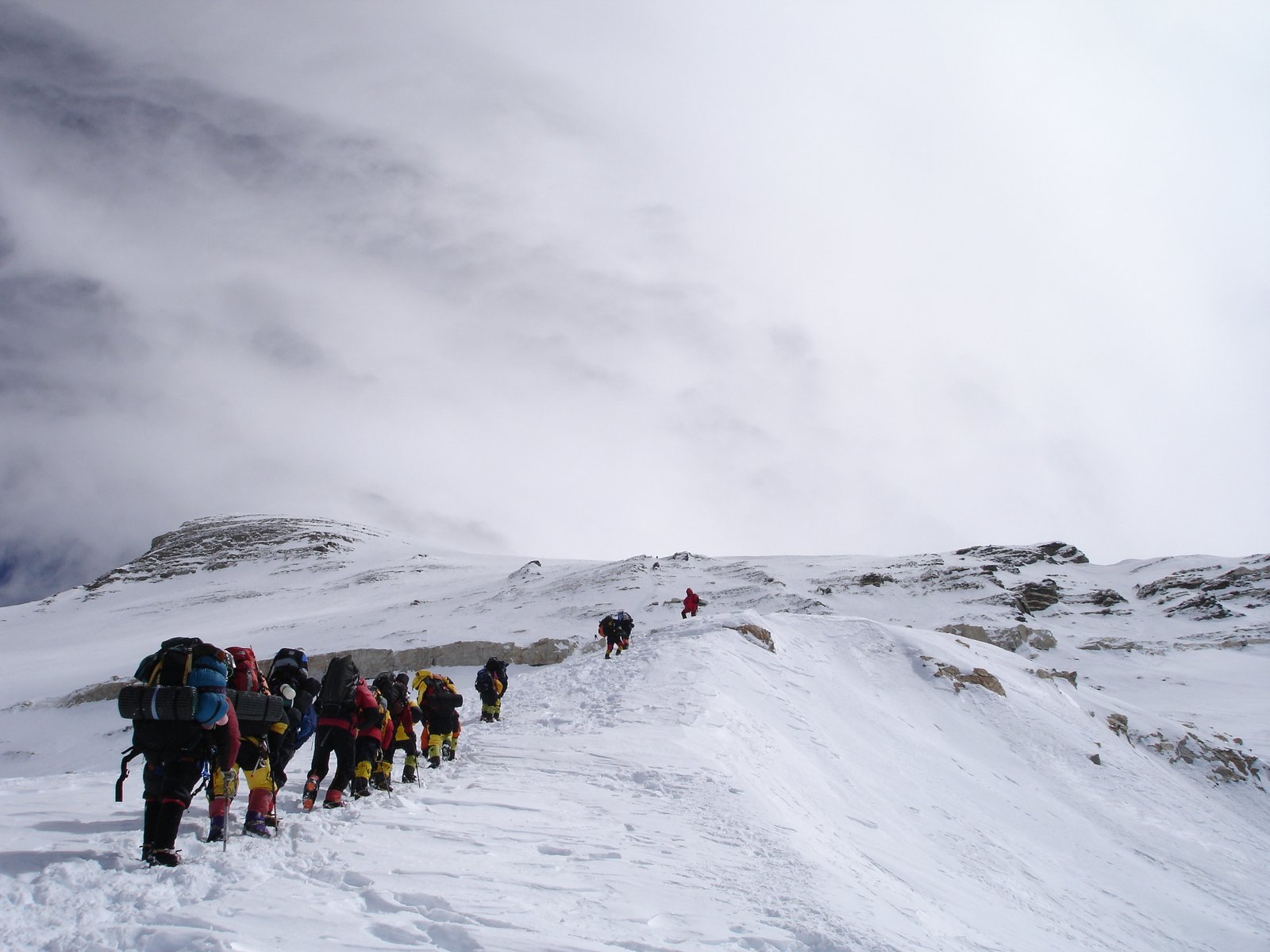
The hardest part? The waiting
The hardest part isn’t the slopes. It’s the waiting. Those long stretches spent in the camps, always with uncertainty, and the doubts about the project running underneath. Re-reading the weather forecast. Feeling a pressure rise without quite knowing why, or how to manage it. Staying calm, coming back to our foundations, to our original choices, not scattering.
Simple? No, not at all. We lived through real crises: rumours of the mountain turning too dangerous at base camp, expeditions deciding to give up… In short, a concentrate of life. In the end, a human experience of extraordinary richness, and memories carved forever into our minds.
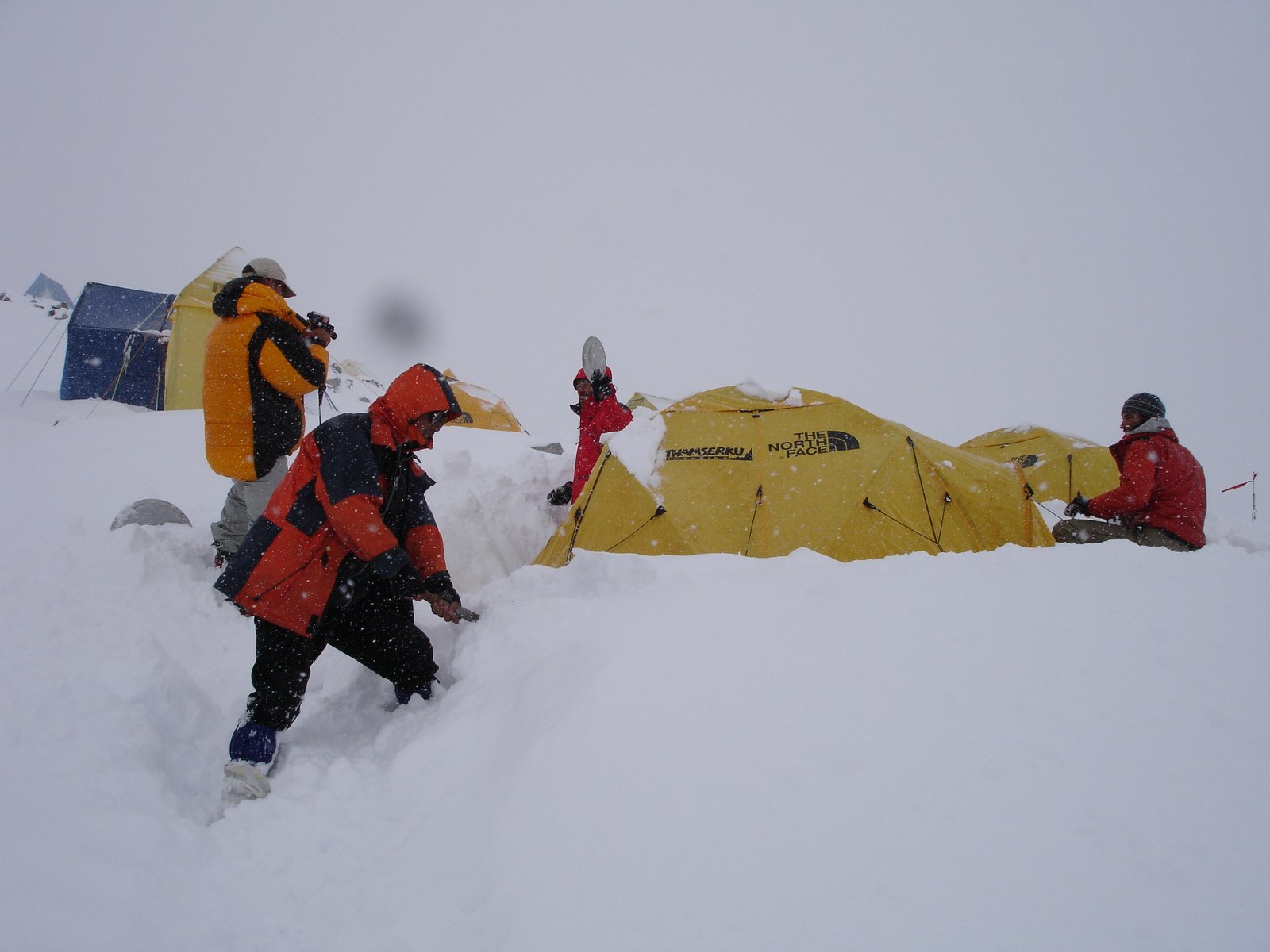
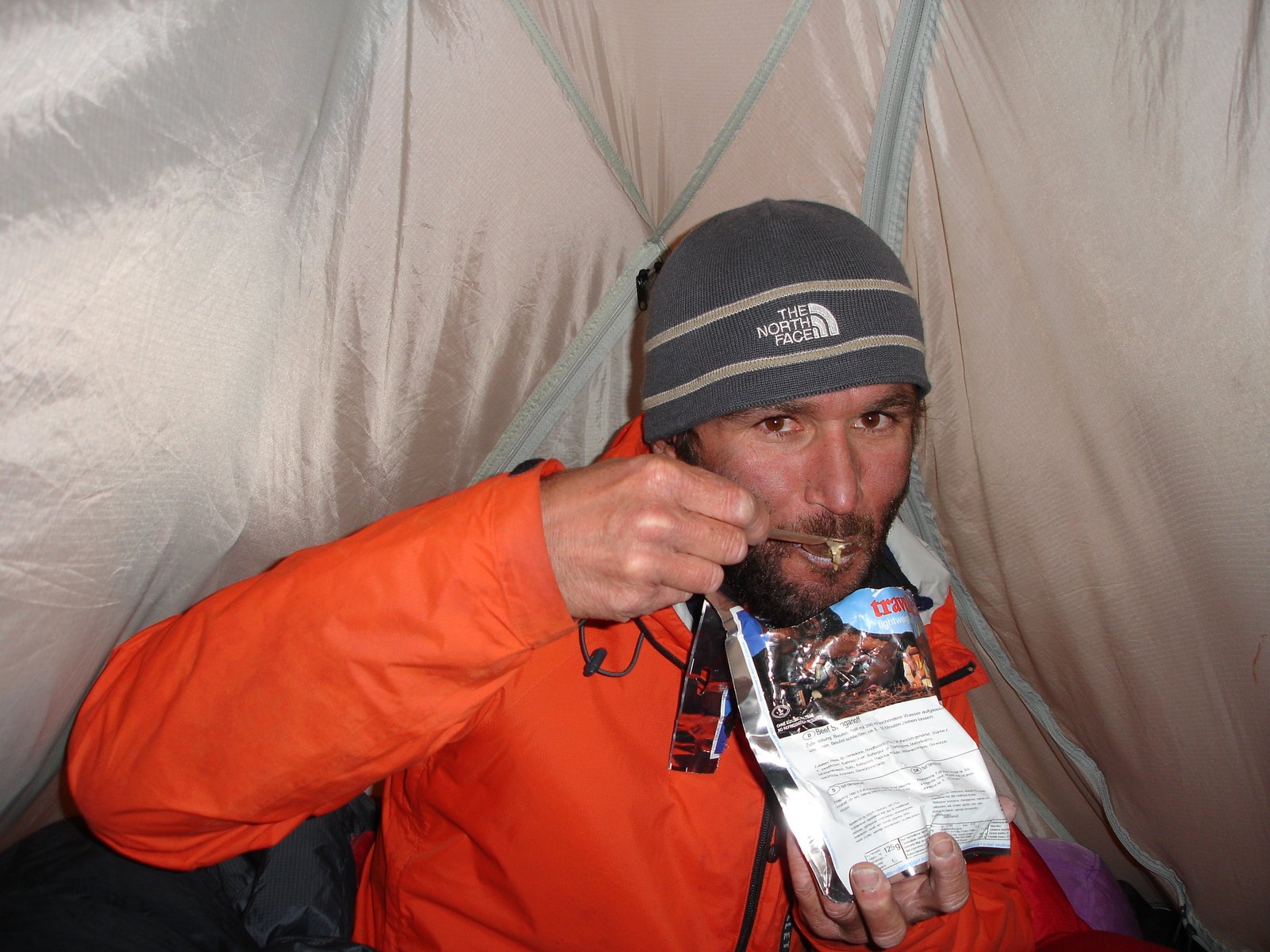
Twenty years on, this way of doing things — listening to the mountain, deciding together, accepting when to turn back — hasn’t aged a day. It has even become how we guide. In the next instalment, the spotlight turns to those who lived this adventure: the team.
Cho Oyu, 20 years — the series
- The summit story
- Without oxygen, without sherpas (this article)
- The team — 20 years on
- The journey: from Nepal to the Tibetan plateau
- From 2006 to 2028: the adventure continues
- Bonus — The Khumbu, the trek that is never trivial
Frequently asked questions
Why is climbing an 8000er without oxygen more committing?
Without supplementary oxygen, the body takes the full force of altitude: clarity, warmth and strength drop, the cold bites harder, and any slowdown can become dangerous. Without sherpas, you also carry, break trail and protect yourself. Autonomy has a price: a smaller margin for error.
Do you need lots of experience for a first 8000er like Cho Oyu?
Good physical preparation, serious acclimatisation and solid guidance often matter as much as a long summit résumé. But altitude stays unpredictable: it affects everyone differently, whatever their level.
Read also: 1 October 2006: at the summit of Cho Oyu
Drawn to the high mountains?
A project, a dream of altitude, a simple question? Let’s talk — we take the time, no strings attached.
Contact usNuyama is a mountain-adventure agency, born in Chamonix in 2019. Listening to the mountain, deciding together, knowing when to turn back: that demand comes from a long way back. Discover our high-mountain climbs and who we are.