
Cho Oyu · 20 years — Bonus
The Khumbu, the trek that is never trivial
I’m not a trekker at heart. And yet the approach to Cho Oyu through the Khumbu left a mark of its own — the mark of a pause, and of a reminder: even without steep ground, the mountain is never quite without danger.
I’m not a trekker
Let me admit it: walking for days with no summit at the end isn’t what gets me out of bed. I love commitment, the slope, the moment you have to pull out the crampons. For a long time I saw trekking as a means — the smartest way to acclimatise before an 8000er.
And then something shifted. By dint of slowing down, the approach trek became something else: a pause. An airlock. A time when there’s nothing to do but put one foot in front of the other, look, breathe. That’s no small thing, on the eve of a long commitment.
The people, and the backdrop of an inner experience
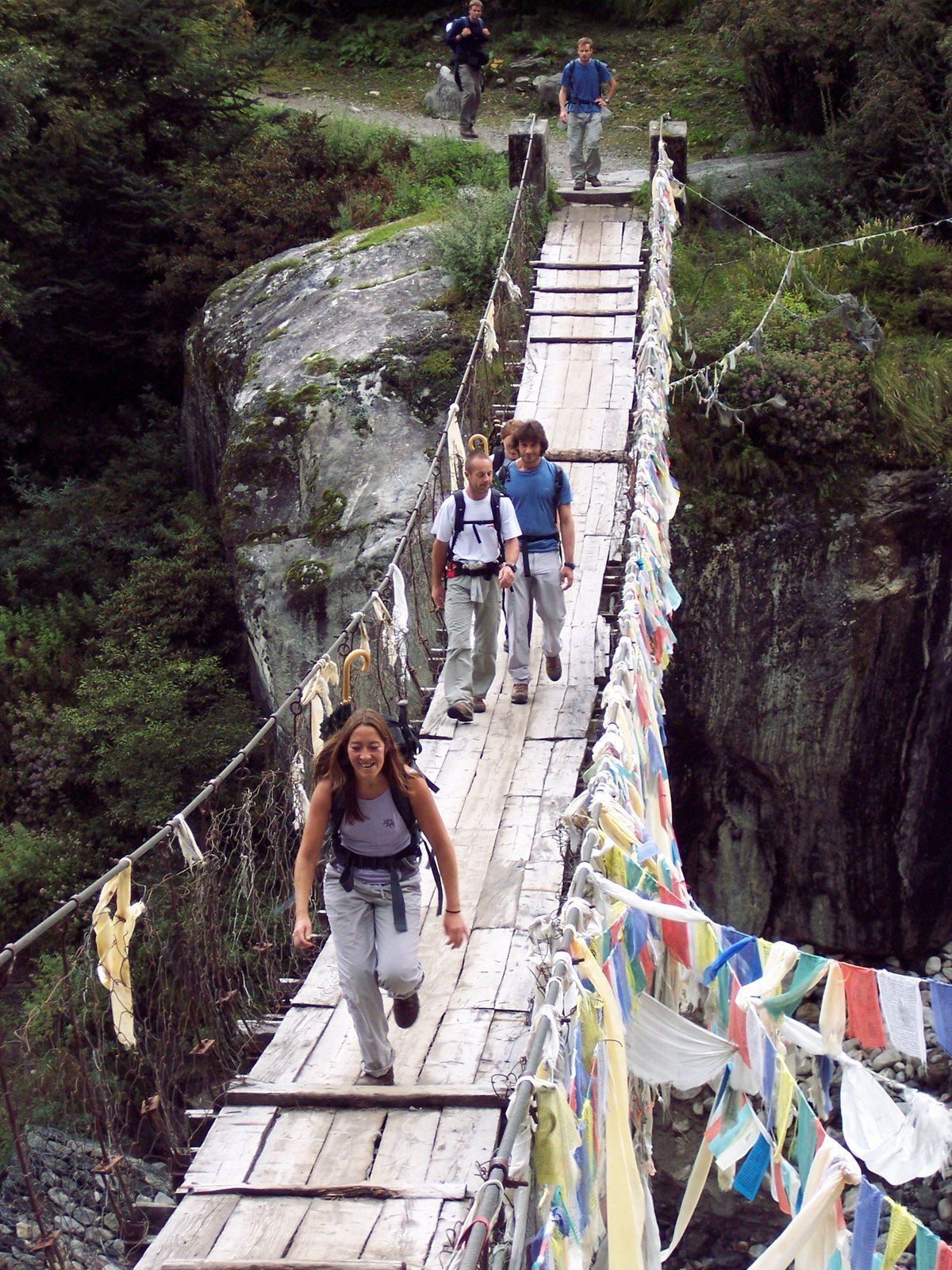
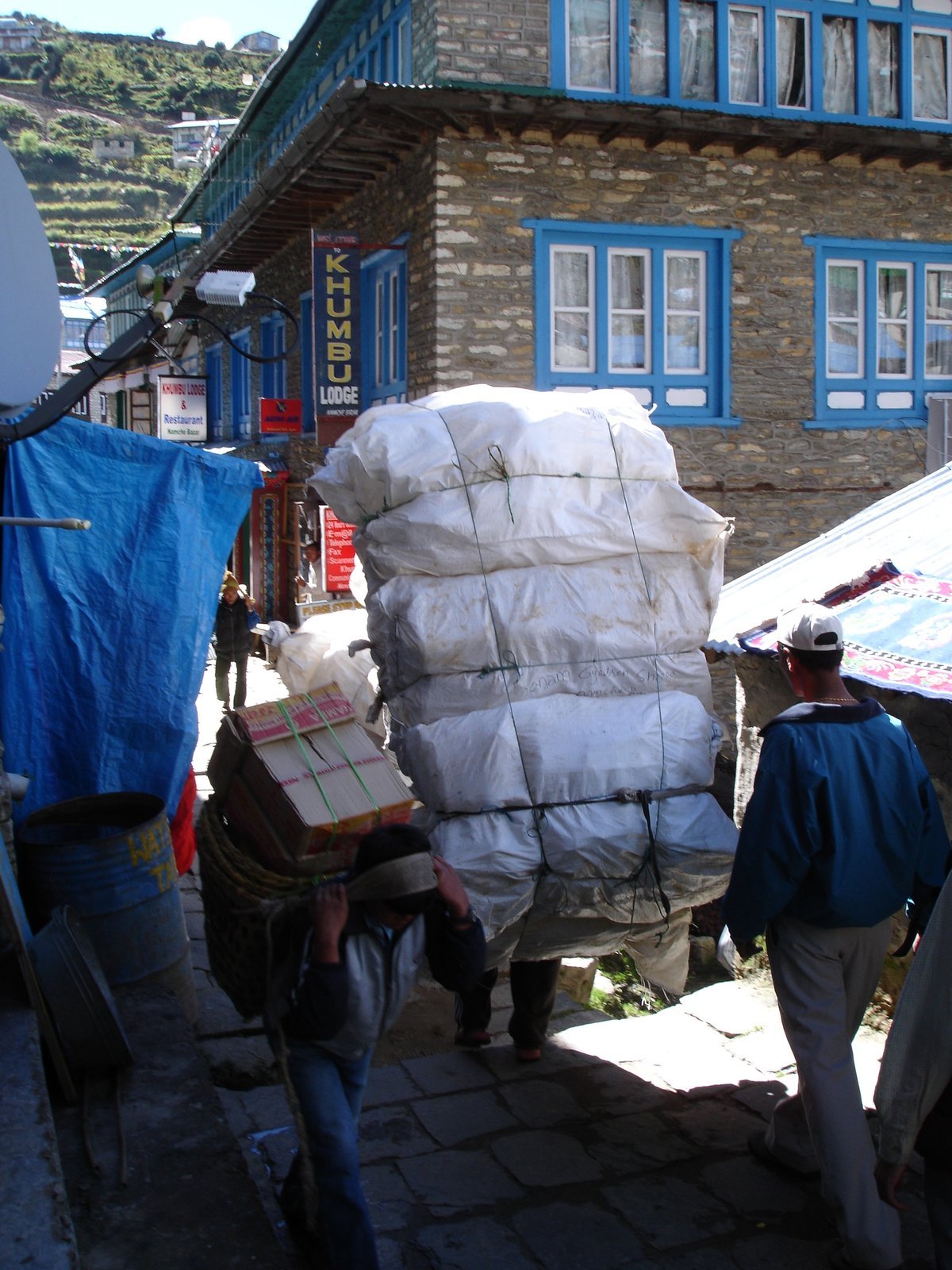
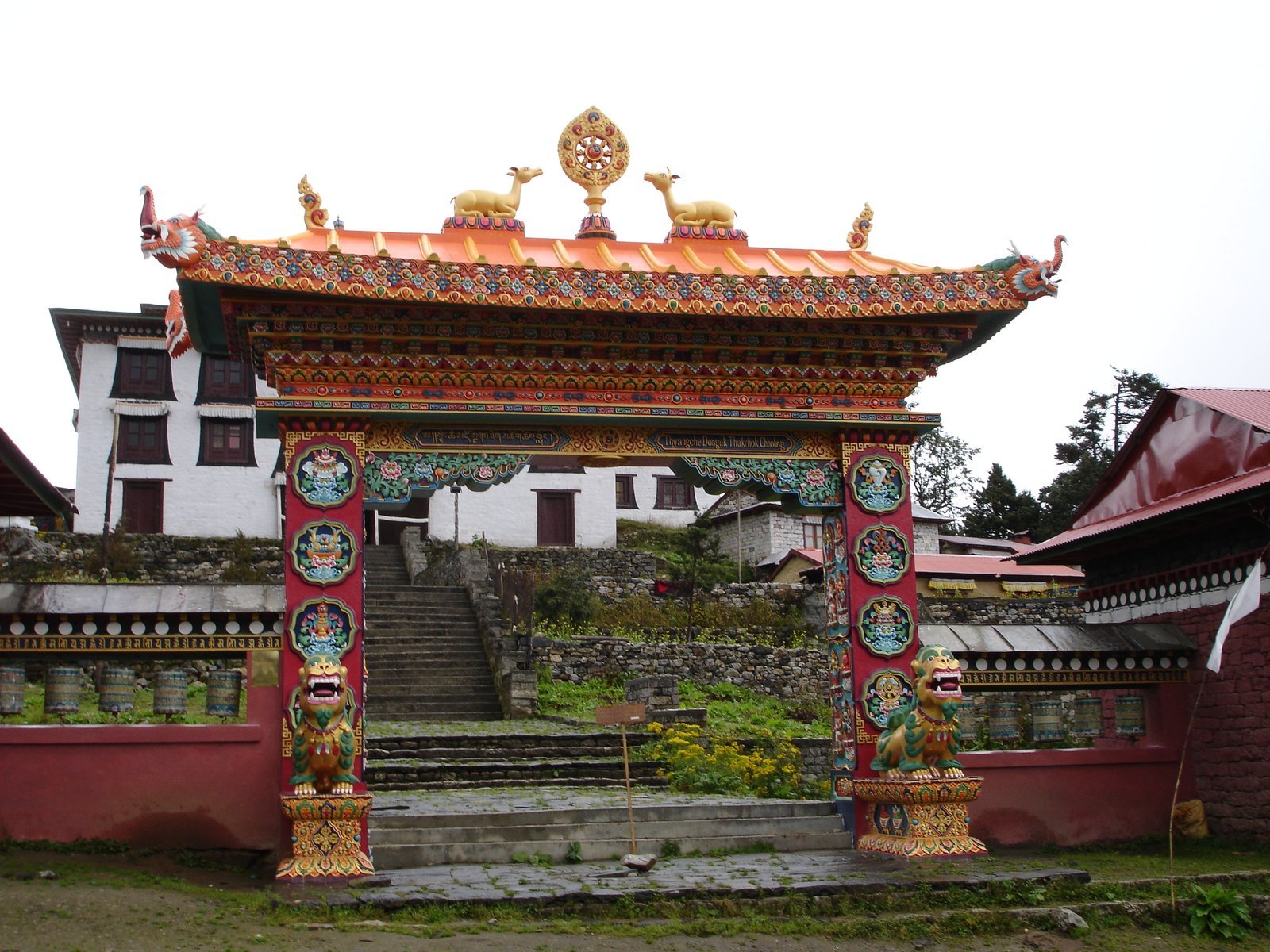
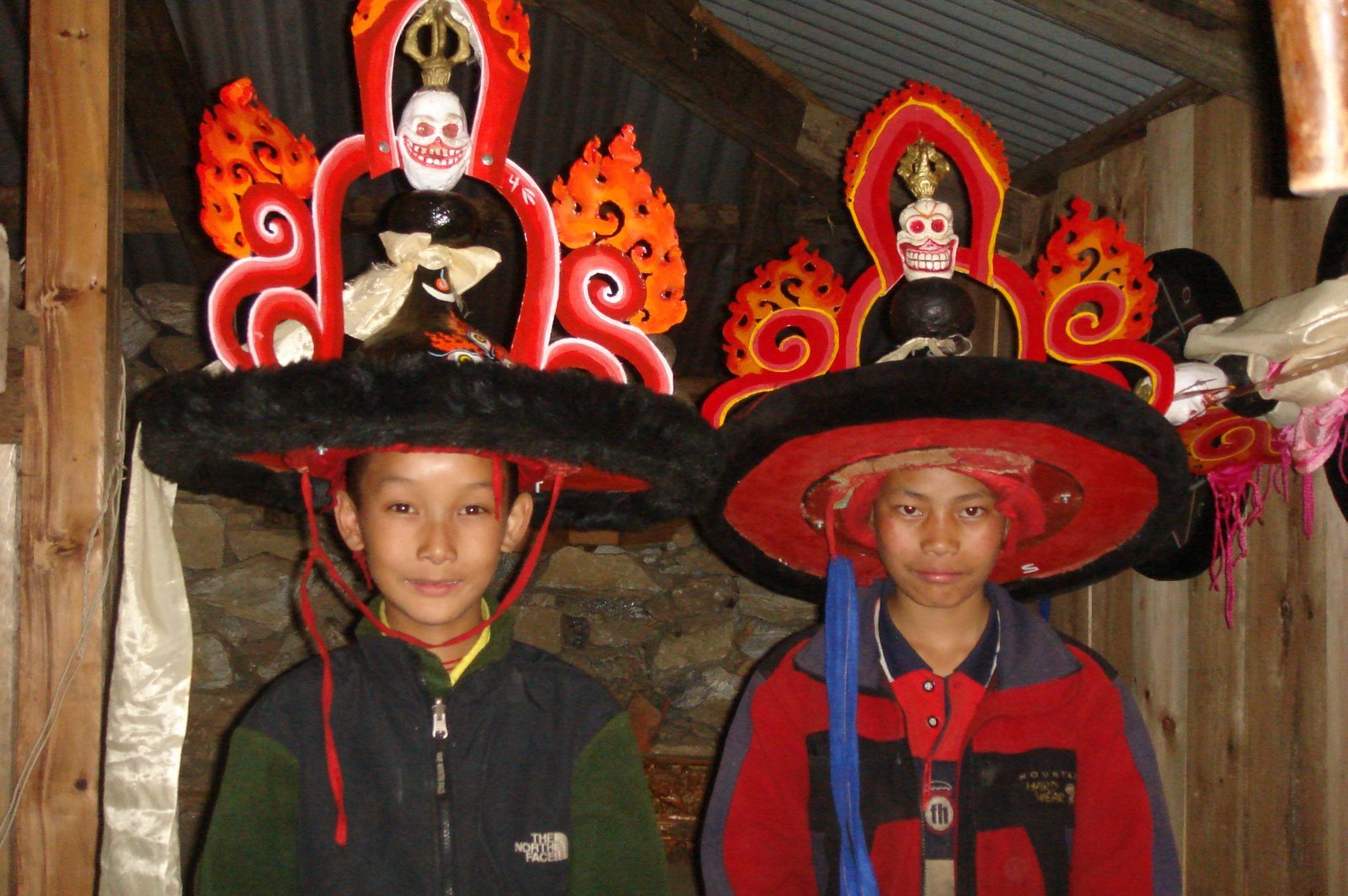
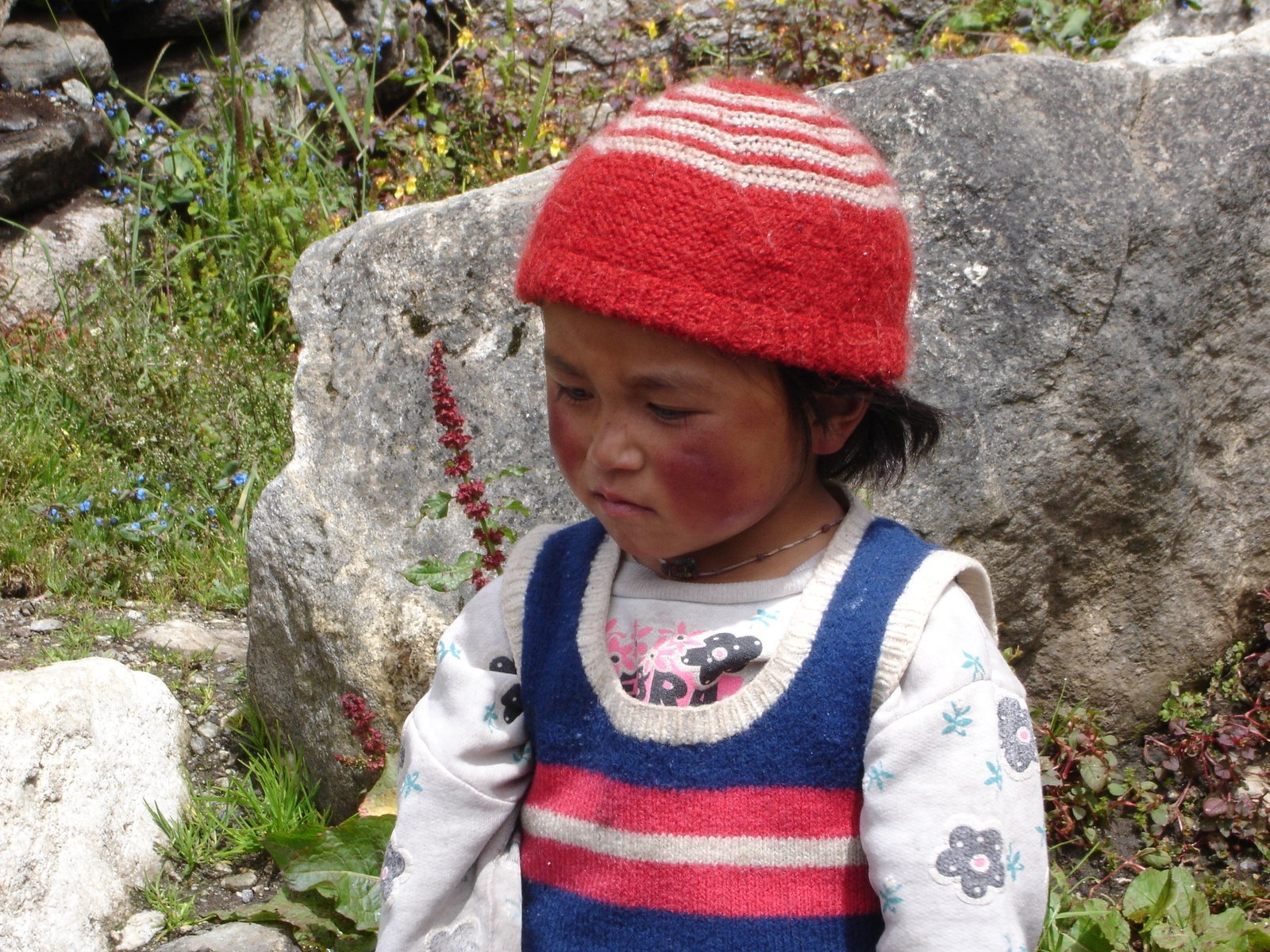
You cross villages, suspension bridges, monasteries. You pass faces: children in festival dress, porters bent under impossible loads, a little girl watching you without a word. I don’t pretend to understand them — I’m only passing through. Honestly, these people and these landscapes were above all the backdrop to an experience that, for me, was playing out inside.
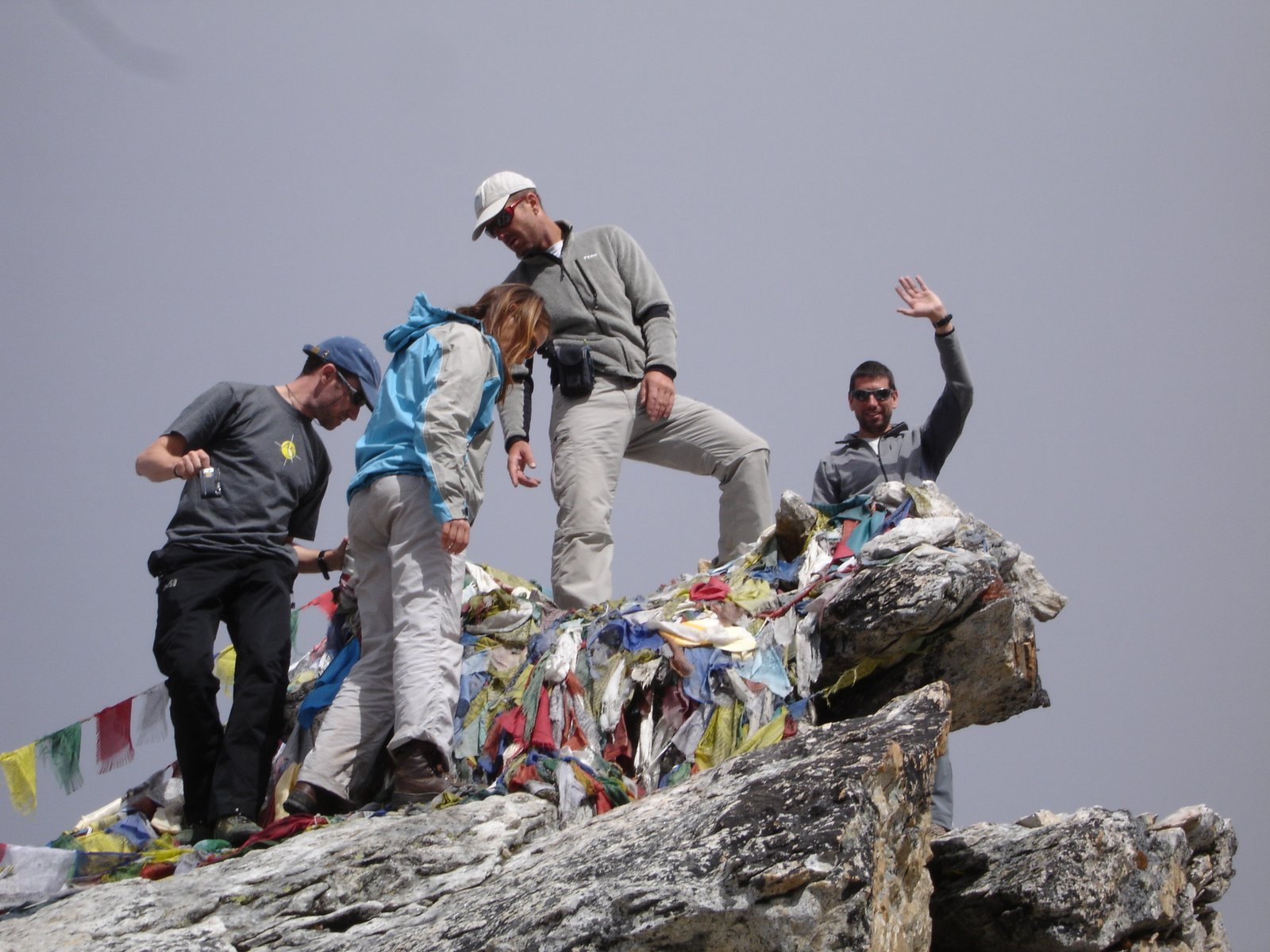
Maybe that’s the Khumbu’s lesson: you think you’ve come to find a summit, and you leave with images of Namche, prayer flags and smiles. The summit itself comes much later — or not at all.
What is insidious about the trek
Here’s what I really want to say with this piece. A trek is not a stroll. The ground isn’t steep, you don’t rope up — and that’s exactly where the trap springs shut, on letting your guard down.
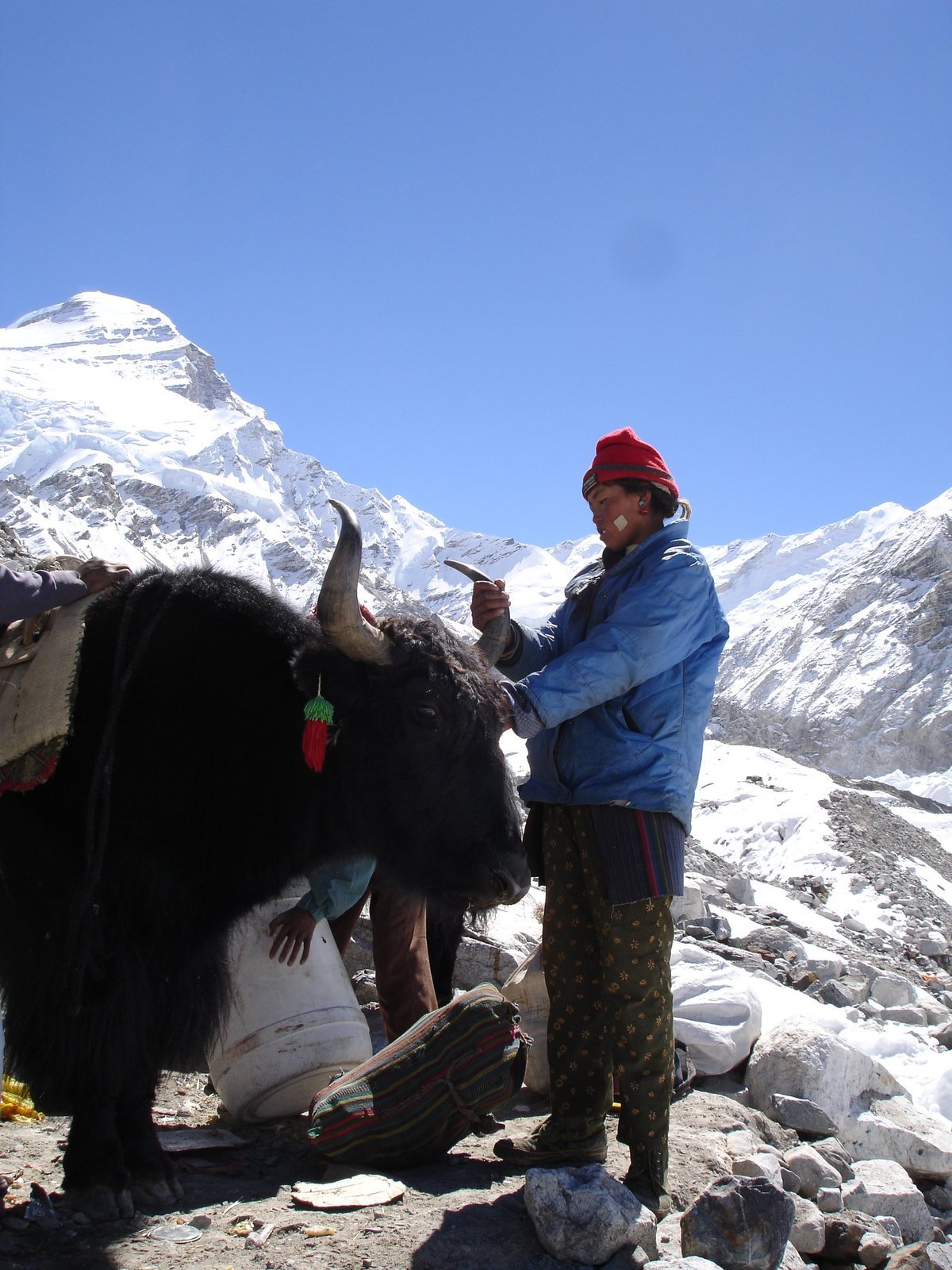
One day we had to ford a torrent: the bridge had been swept away the day before by a flood. Nothing heroic, but a crossing where inattention is paid for on the spot. There were also the altitude headaches, those signals you must never wave away. And above all, one image that stayed with me: a porter from another expedition, struck by severe acute mountain sickness, being brought down urgently towards the valley.
On ground that looks like nothing, altitude, water and fatigue remain patient adversaries. Vigilance never takes a break — even when the scenery invites you to relax. It’s exactly what we remind people of on our treks and hikes: the finest path still deserves respect.
The rewards of slowness
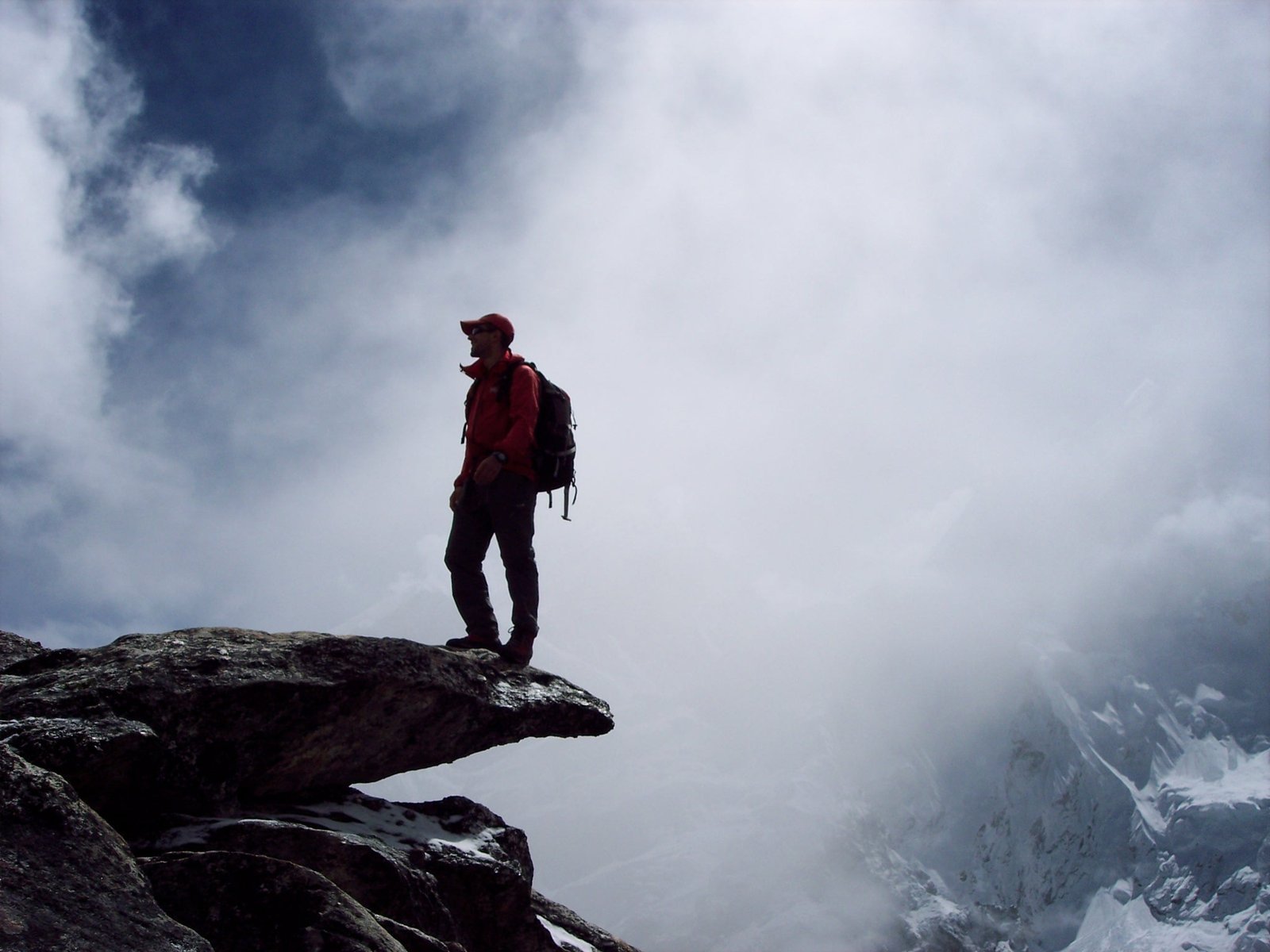
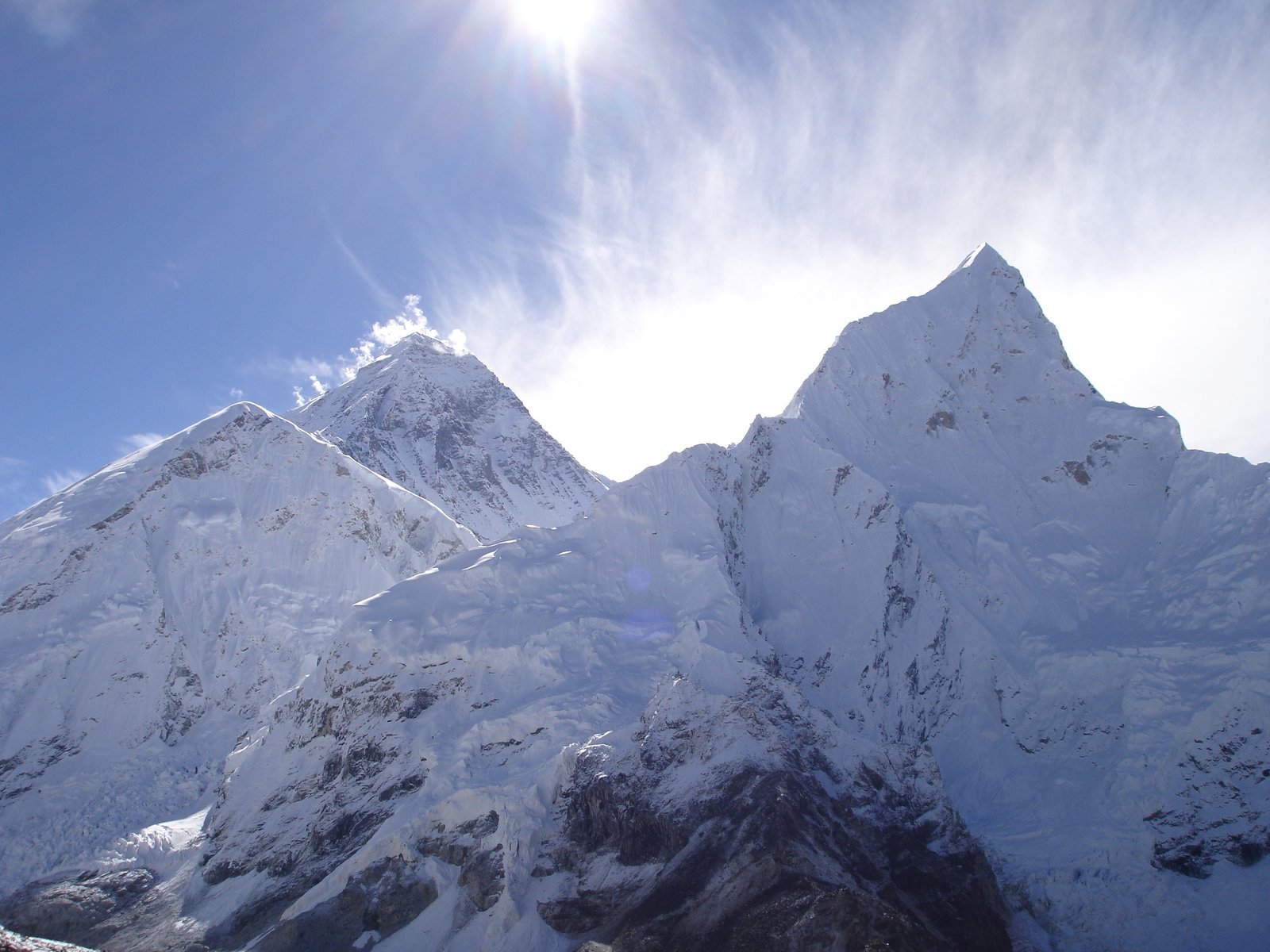
And then there are the Khumbu’s gifts. A sharp summit standing out at the turn of a switchback. The morning light on the snow. And, for those who climb that high, the viewpoint of Kala Patthar, from which you take in a whole span of the Himalaya. That day, I think even the reluctant trekker in me understood why people come to walk here.
Cho Oyu, 20 years — the series
- The summit story
- Without oxygen, without sherpas
- The team — 20 years on
- The journey: from Nepal to the Tibetan plateau
- From 2006 to 2028: the adventure continues
- Bonus — The Khumbu, the trek that is never trivial (this article)
Frequently asked questions
Is a high-altitude trek dangerous?
It doesn’t have the technical difficulty of mountaineering, but it isn’t risk-free: torrent crossings, bridges weakened by floods, and above all altitude, which can bring on acute mountain sickness. A slow progression, good acclimatisation and constant vigilance remain essential.
What is acute mountain sickness (AMS)?
It’s the set of disorders caused by the lack of oxygen at altitude: headaches, nausea, abnormal fatigue, disturbed sleep. It must be taken seriously at the first signs — the best remedy is not to climb higher, or even to descend. Gradual acclimatisation greatly reduces the risk.
Read also: The journey, from Nepal to Tibet · The summit story
Fancy walking with us?
A trek, an expedition, a dream of altitude? Let’s talk — we take the time, no strings attached.
Contact usNuyama is a mountain-adventure agency, born in Chamonix in 2019. The path matters as much as the summit: that’s a conviction. Discover our treks and hikes and who we are.