
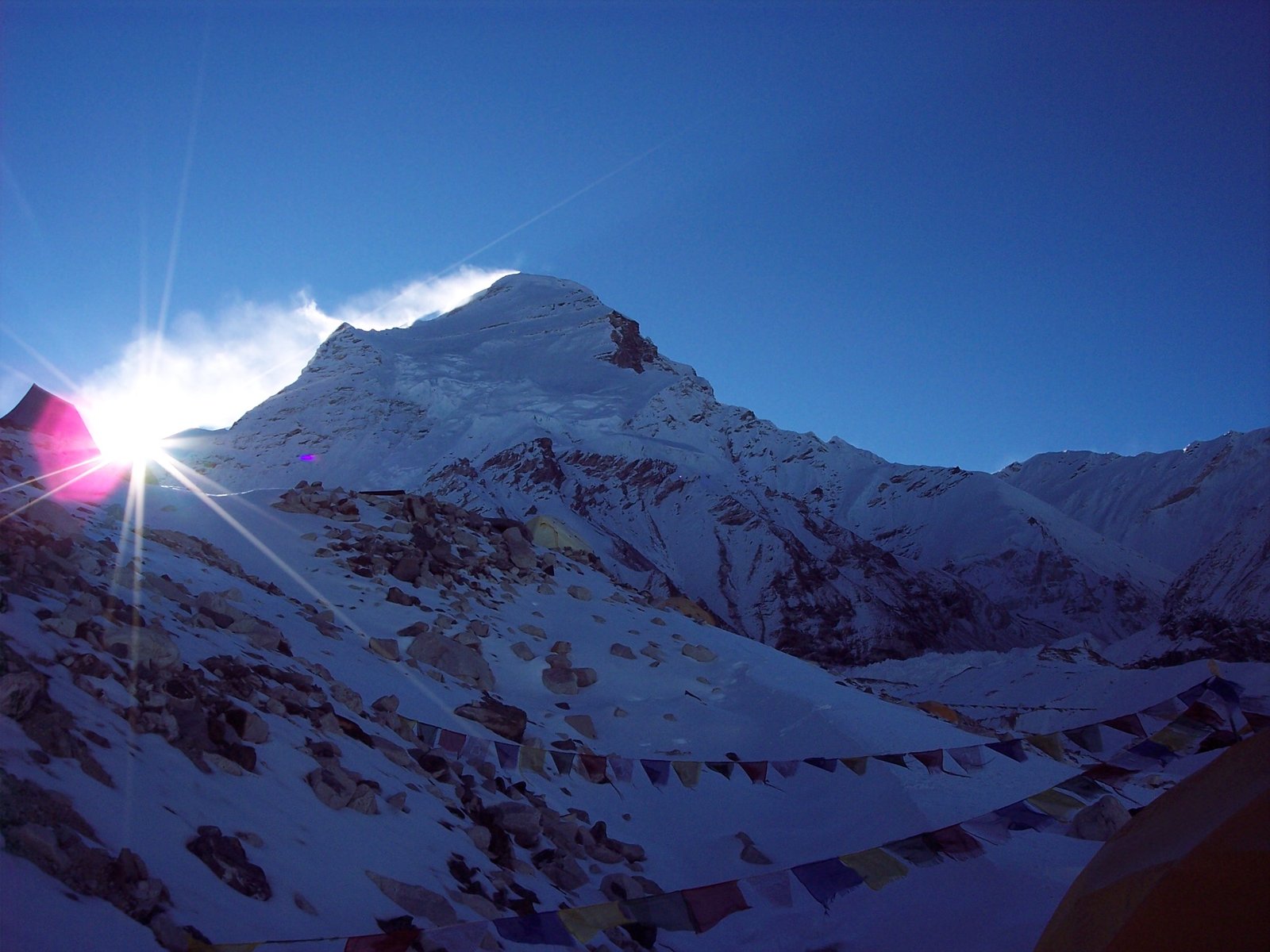
Cho Oyu · 20 years — 4/5
The journey: from Nepal to the Tibetan plateau
What stays with me from this expedition is the sheer variety of what we lived. Before the summit, there’s a whole journey: an acclimatisation trek in Nepal, the crossing into Tibet, one of the highest base camps in the world, and the approach — step by step — to an 8000er.
The trek: slowing down to prepare better
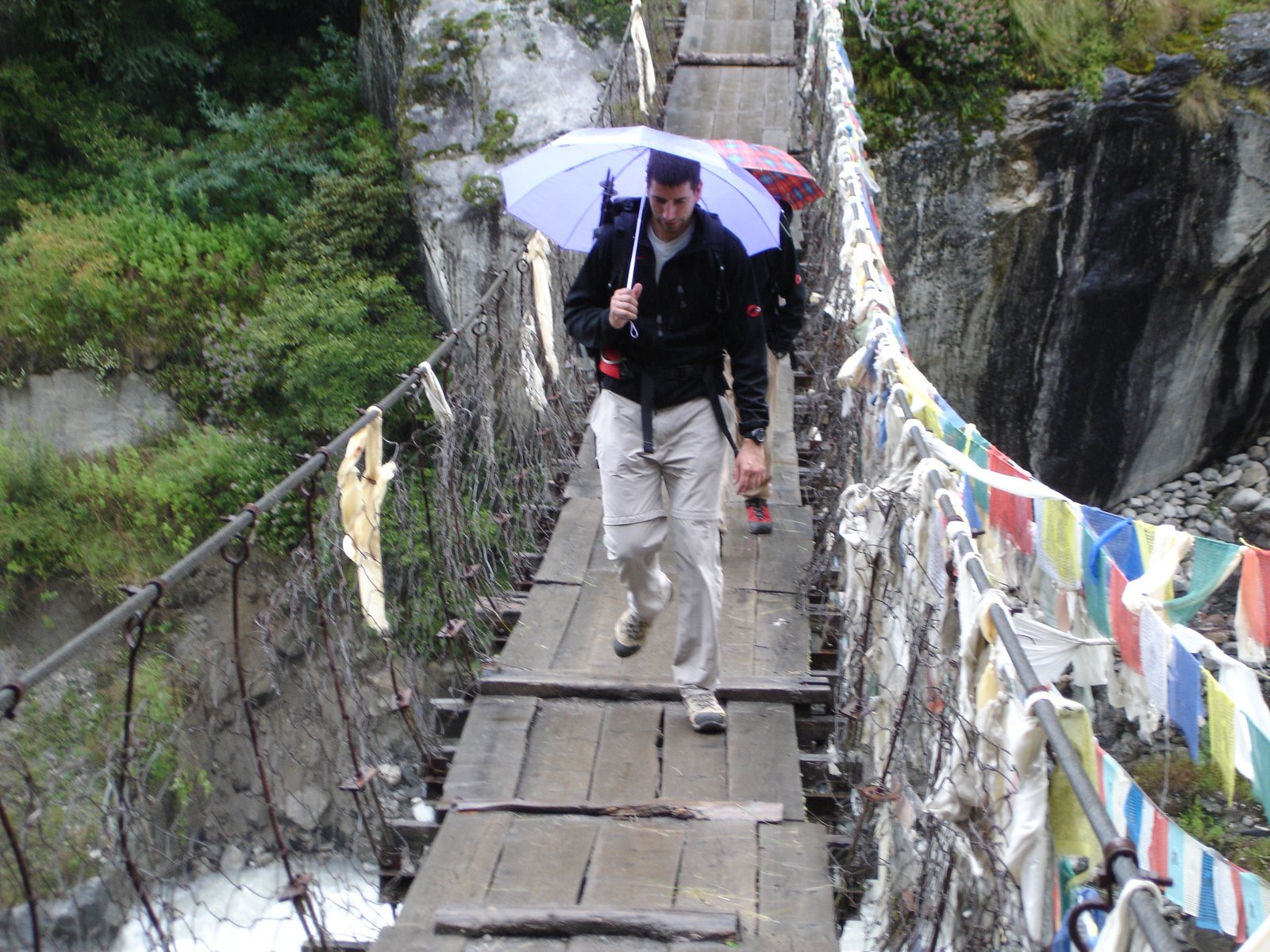
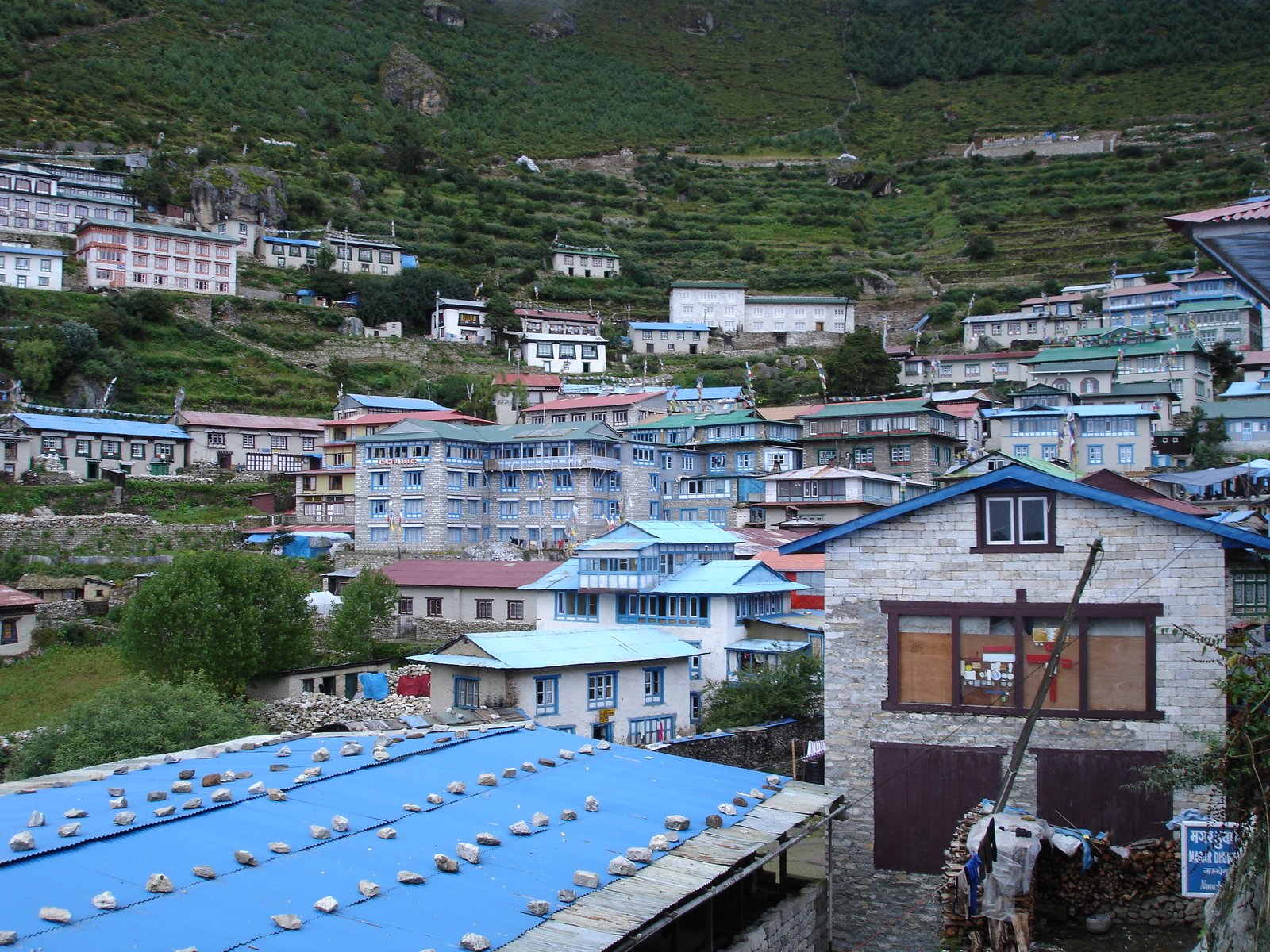
An acclimatisation trek, with a few more participants, through a region many were also discovering: it was perfect. First you get to know one another, the country, the different dynamics. A gentle start where you have to accept the change of pace — slowing down, precisely, to be readier for what follows.
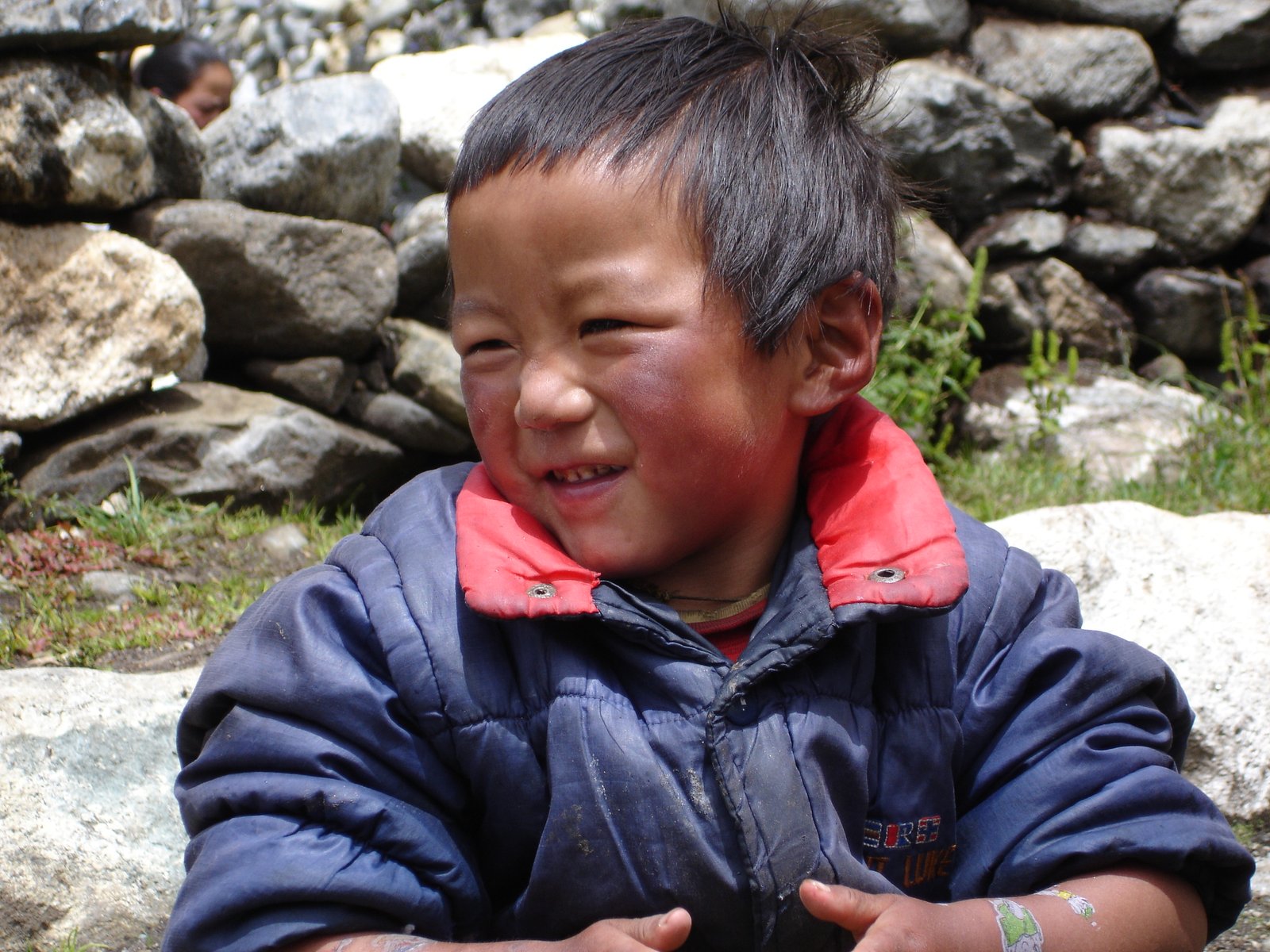
The landscapes and mountains are exceptional. But from this part, what struck me most was the people: the inhabitants of the high Nepali valleys, their smiles, their welcome, our clumsy attempts at communication, the fits of laughter… We had time, and we truly made the most of it.
The crossing into Tibet
Then a change of scene: on to the high Tibetan plateau. The Nepal–Tibet border crossing — today the Nepal–China one — is a textbook of the genre: a town at the bottom of a gorge, cut in two by a bridge that serves as the official frontier. Grim in itself. I don’t think I’ll ever forget that feeling of damp, greasy dirtiness in the little hotel where we were made to sleep. Vile. Sheets and duvets were offered… but we all preferred to shut ourselves inside our -20 sleeping bags. That tells you everything.
Base camp, at 5,800 m
What followed, up high, brought us back to settings we felt more at home in. Already acclimatised, we could move fairly fast and skip a few “unpleasant” stages — because crossing passes above 5,000 m by car is not the easiest thing for the body to take.
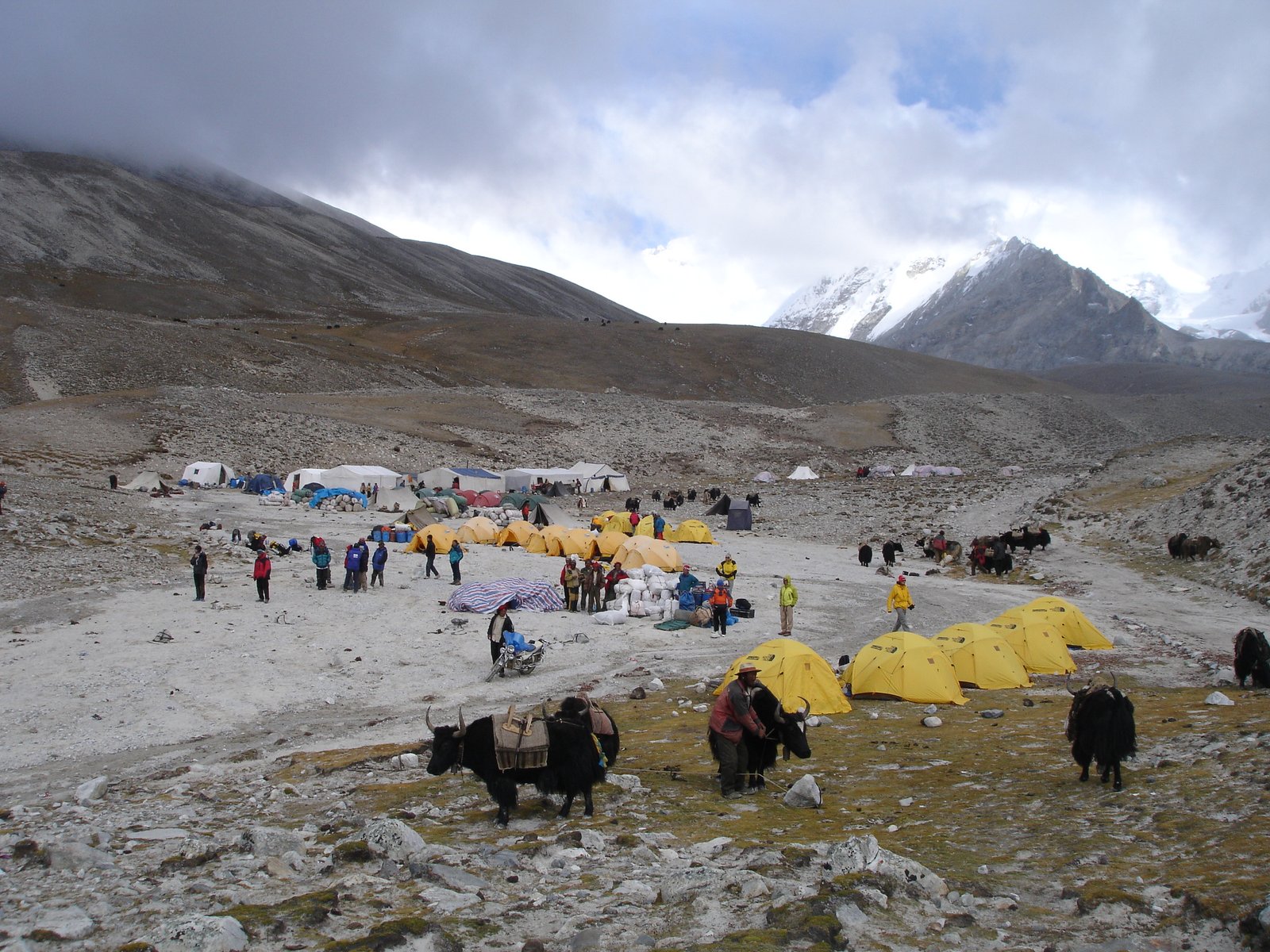
Cho Oyu base camp is one of the highest there is, at 5,800 m. I wouldn’t call it a beautiful place, but it’s a place of passage, of historic transhumance. The Nangpa La pass is right opposite: Tibetan nomads still cross it regularly to trade.
The approach: discovering the mountain, step by step
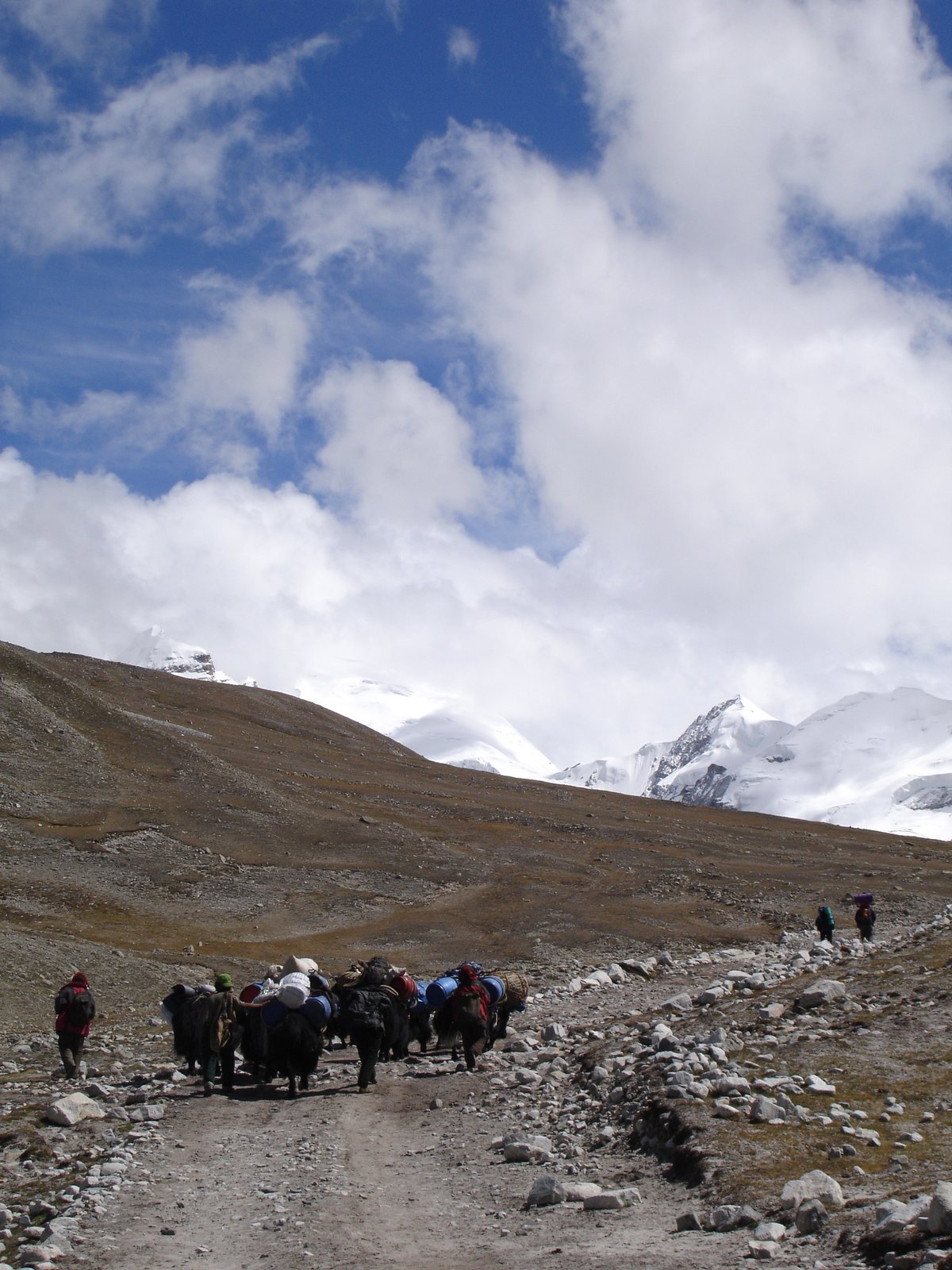
Our objective is above us. Not always easy to keep in view every day. Sometimes accessible, “easy”; sometimes distant and steep, depending on the mood. You have to accept it, listen to your body, and let things be. Fortunately, already acclimatised, we can get straight to work: carrying gear up to Camps 1 and 2, refining our adaptation, and “taming” the mountain.
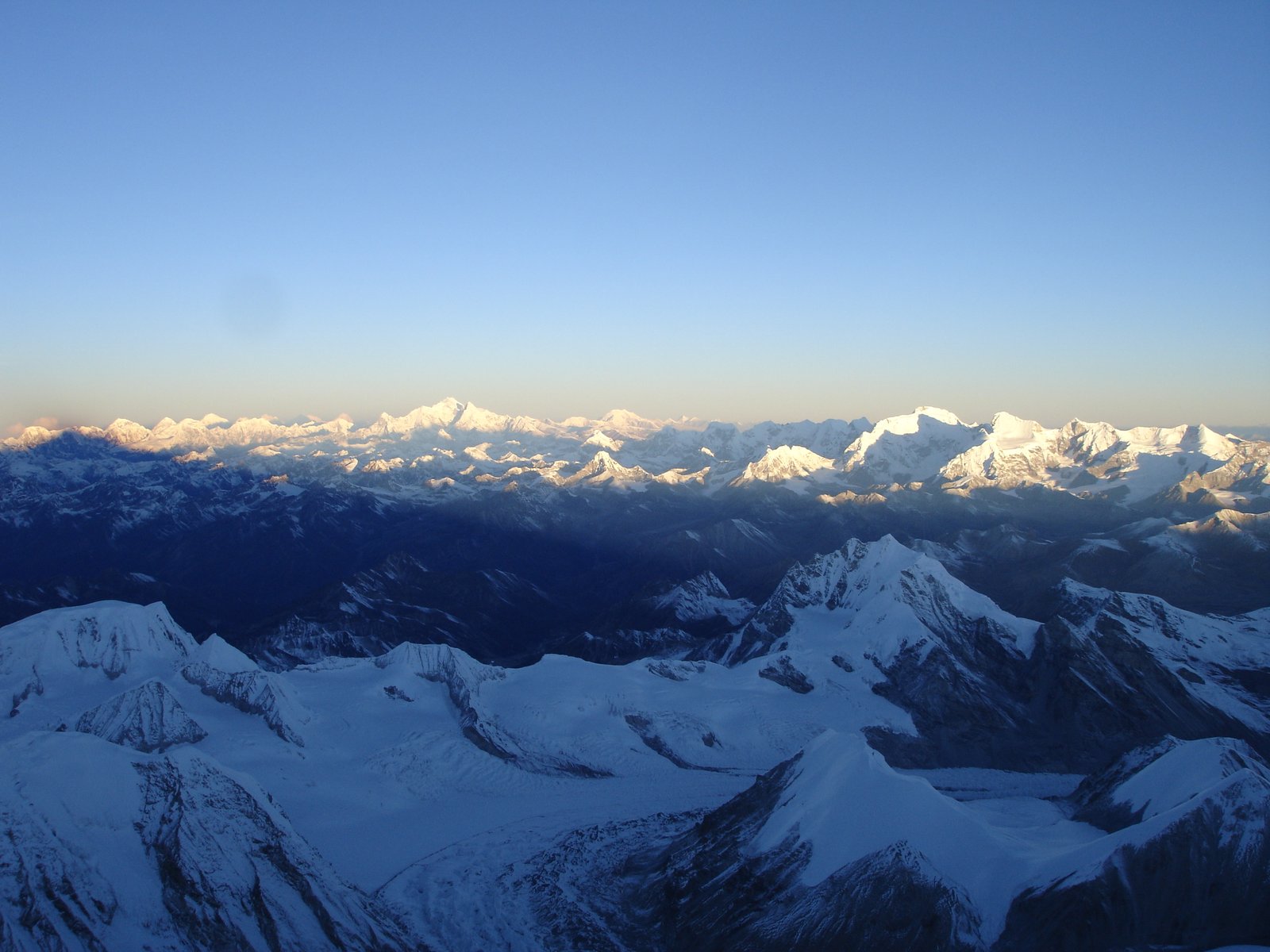
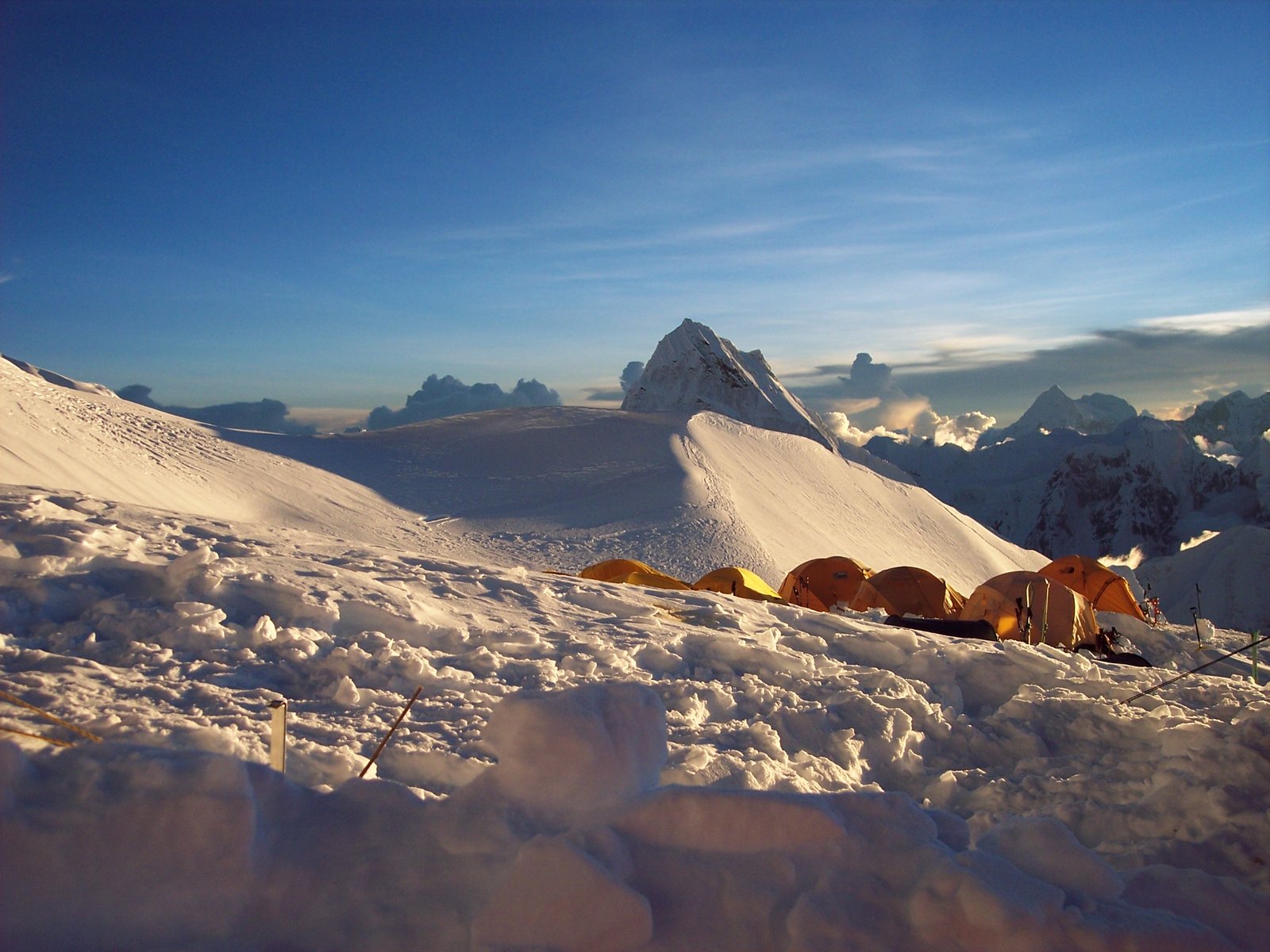
I love this phase, where each step reveals a new landscape, a new horizon. It’s a bit laborious, but it’s part of the game. And from Camp 1, at 6,400 m, every sunset is a delight.
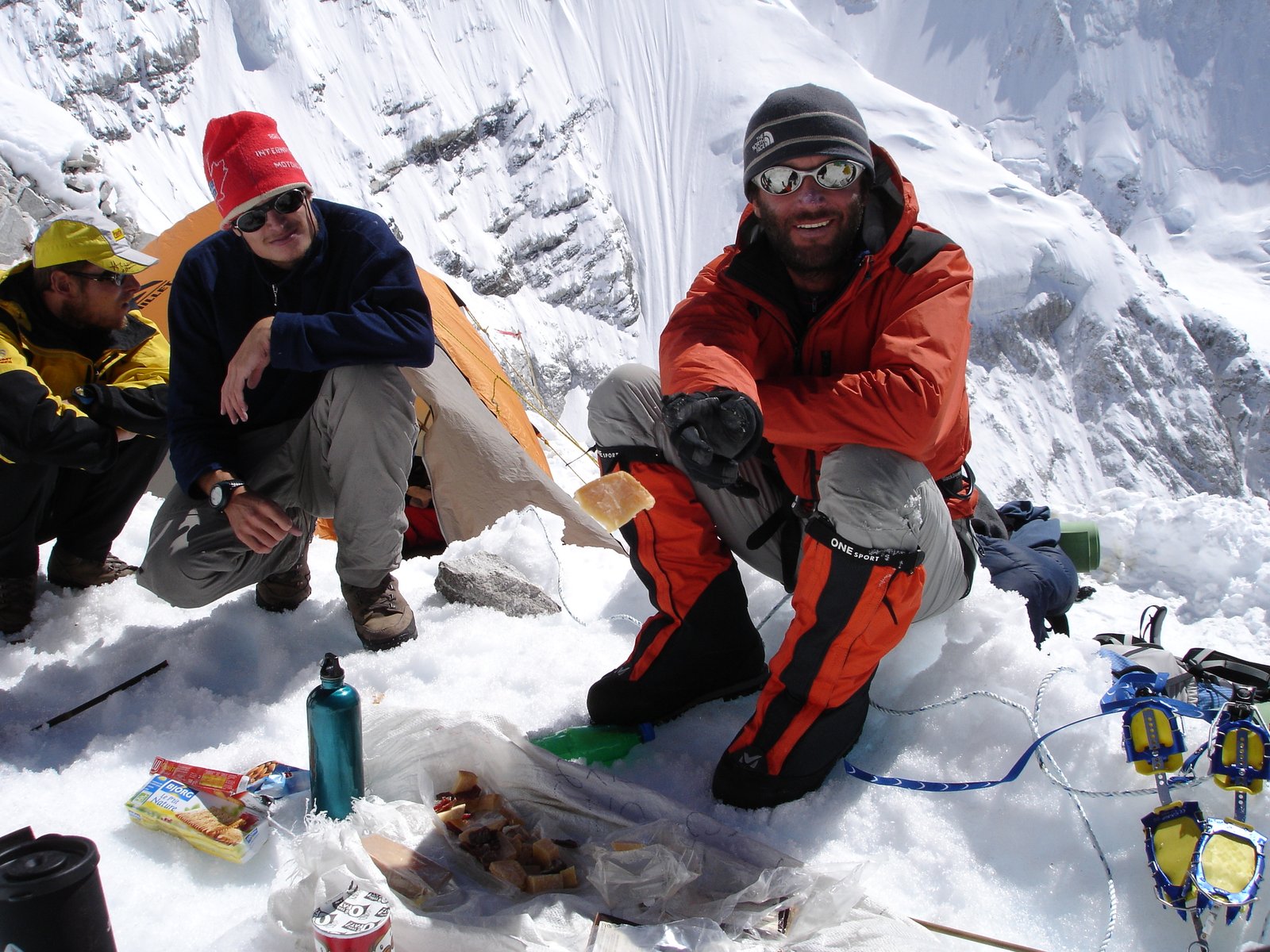
The finest image I keep in mind? Our group, the morning after the ascent. That’s when you understand just how thoroughly high altitude wears the body down.
Cho Oyu, 20 years — the series
- The summit story
- Without oxygen, without sherpas
- The team — 20 years on
- The journey: from Nepal to the Tibetan plateau (this article)
- From 2006 to 2028: the adventure continues
- Bonus — The Khumbu, the trek that is never trivial
Frequently asked questions
Do you need an acclimatisation trek before an 8000er?
Yes, gradual acclimatisation is essential: it prepares the body for the lack of oxygen and greatly reduces the risk of acute mountain sickness. An approach trek is also a wonderful way to ease in, both physically and as a group.
Where is Cho Oyu base camp?
On the Tibetan side, at around 5,800 m — one of the highest accessible base camps. The historic Nangpa La pass, used forever by Tibetan nomads, lies just opposite.
Read also: The summit story · The team
Drawn to the high mountains?
A project, a dream of altitude, a simple question? Let’s talk — we take the time, no strings attached.
Contact usNuyama is a mountain-adventure agency, born in Chamonix in 2019. The path matters as much as the summit: that’s a conviction. Discover our high-mountain climbs and who we are.