
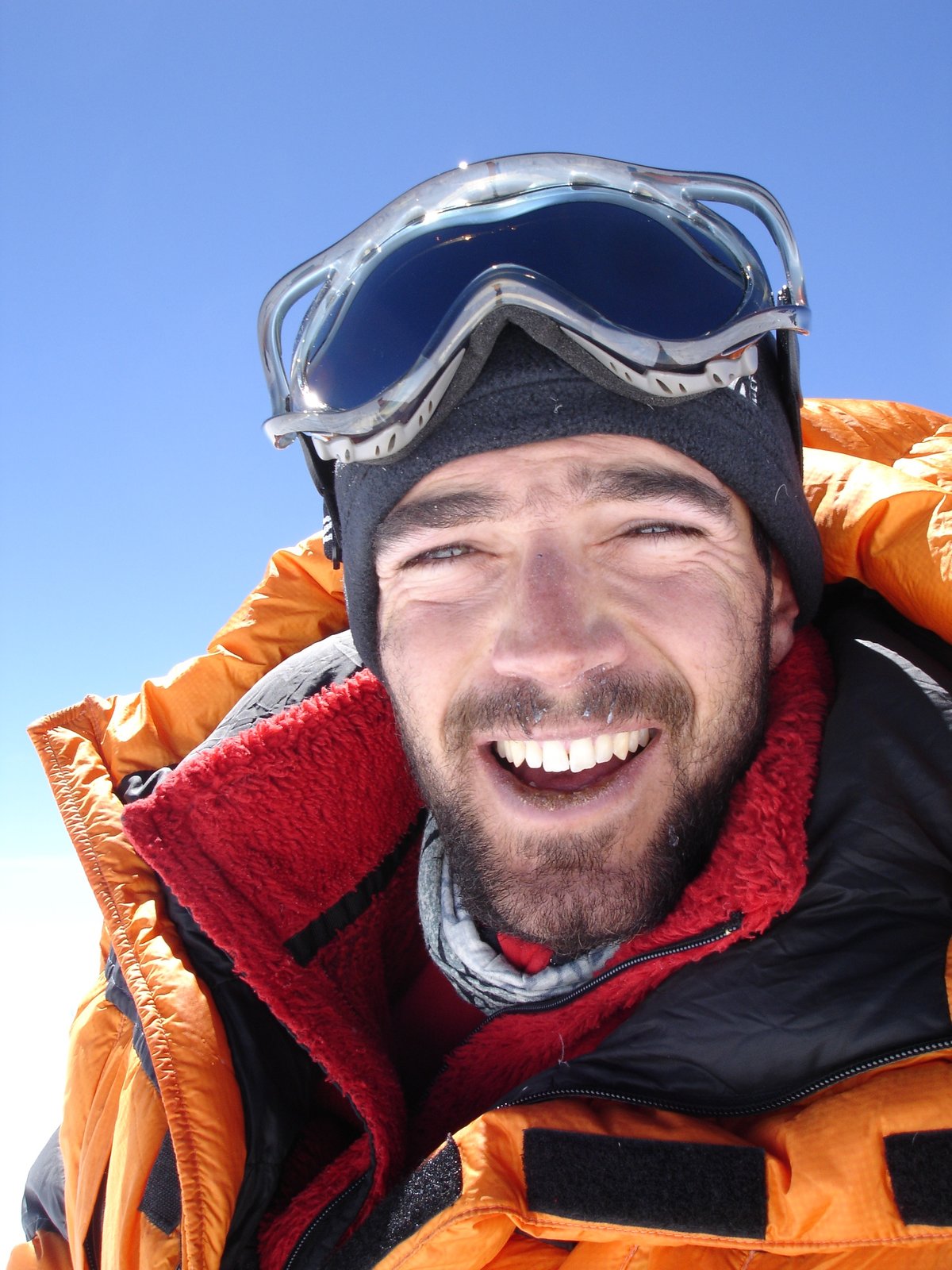
Cho Oyu · 20 years
1 October 2006: at the summit of Cho Oyu, without oxygen or sherpas
Twenty years ago, to the day, we stood on the summit of Cho Oyu — 8,201 m (8,188 m by recent surveys), the 6th highest mountain in the world. Four guides and their clients, in full autonomy: no supplementary oxygen, no high-altitude sherpas. Here is the story of that day. And, to begin, the expedition film.
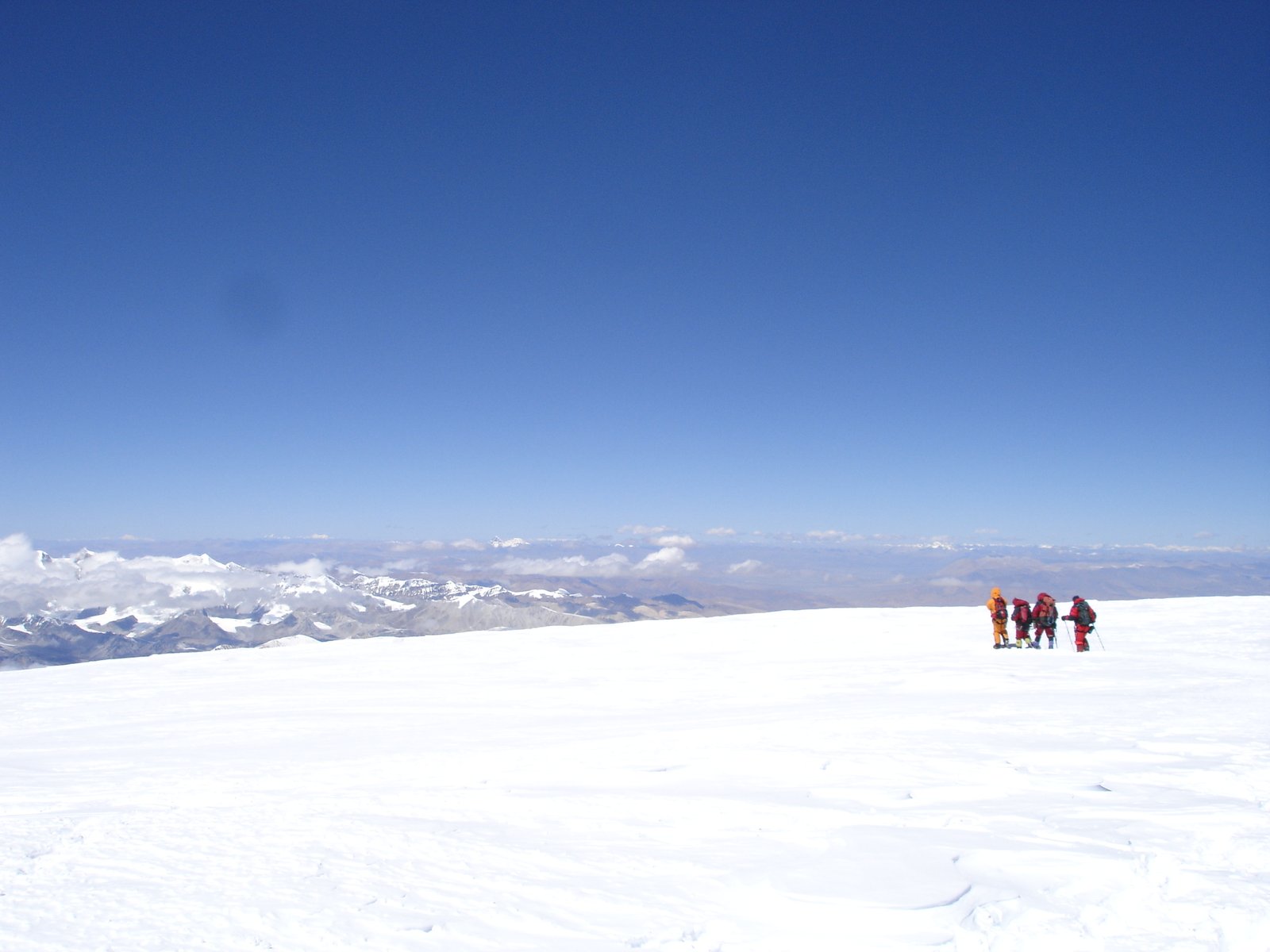
The long summit plateau
It’s 1 October 2006. I no longer remember the time — but I remember perfectly that long, very long summit plateau. It’s flat, terribly flat, and yet we’re at nearly 8,200 metres. The steps are slow. The emotion, though, is very much there.
I’m alone. I’ve crossed paths with my companions, already starting down. The weather is exceptional — what luck: no wind, not cold (for the altitude), not a cloud.
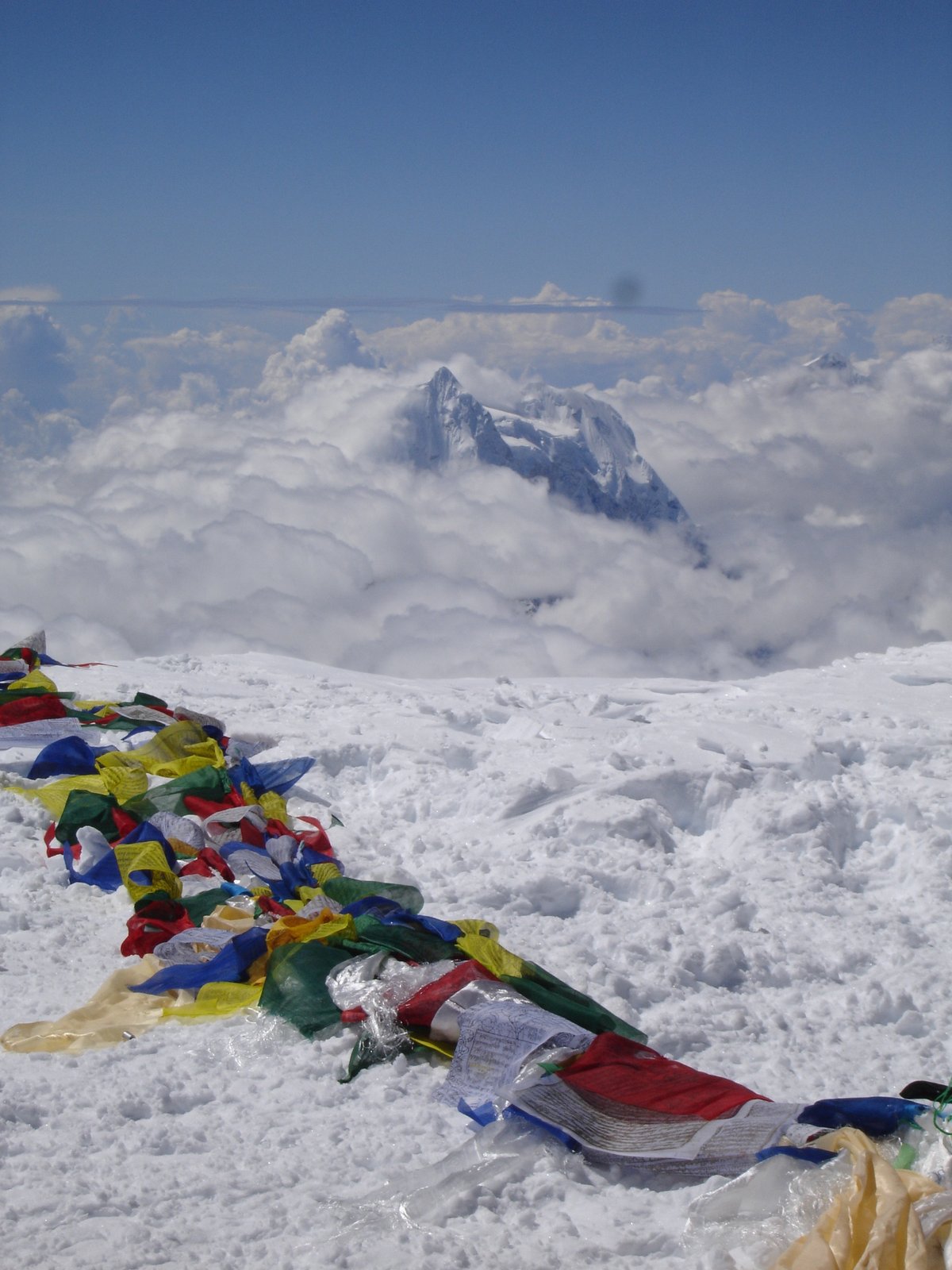
The summit — when you see Everest
On Cho Oyu, you know you’ve reached the top when you can see Everest. That tells you how unremarkable the highest point of this mountain is — the 6th highest in the world, and yet almost featureless. No matter: the emotion is there, whole. I feel good. Or at least, I think I do.
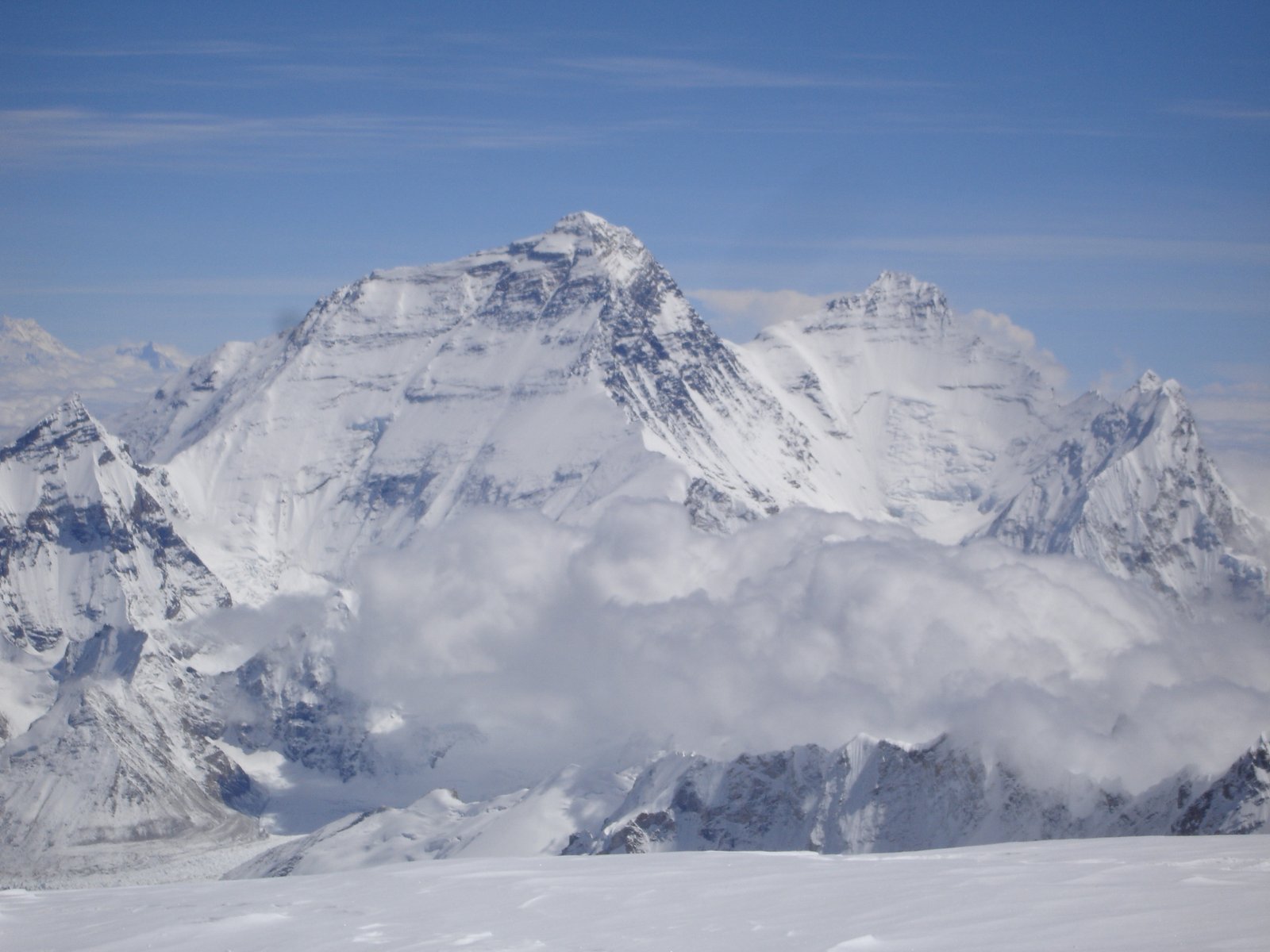
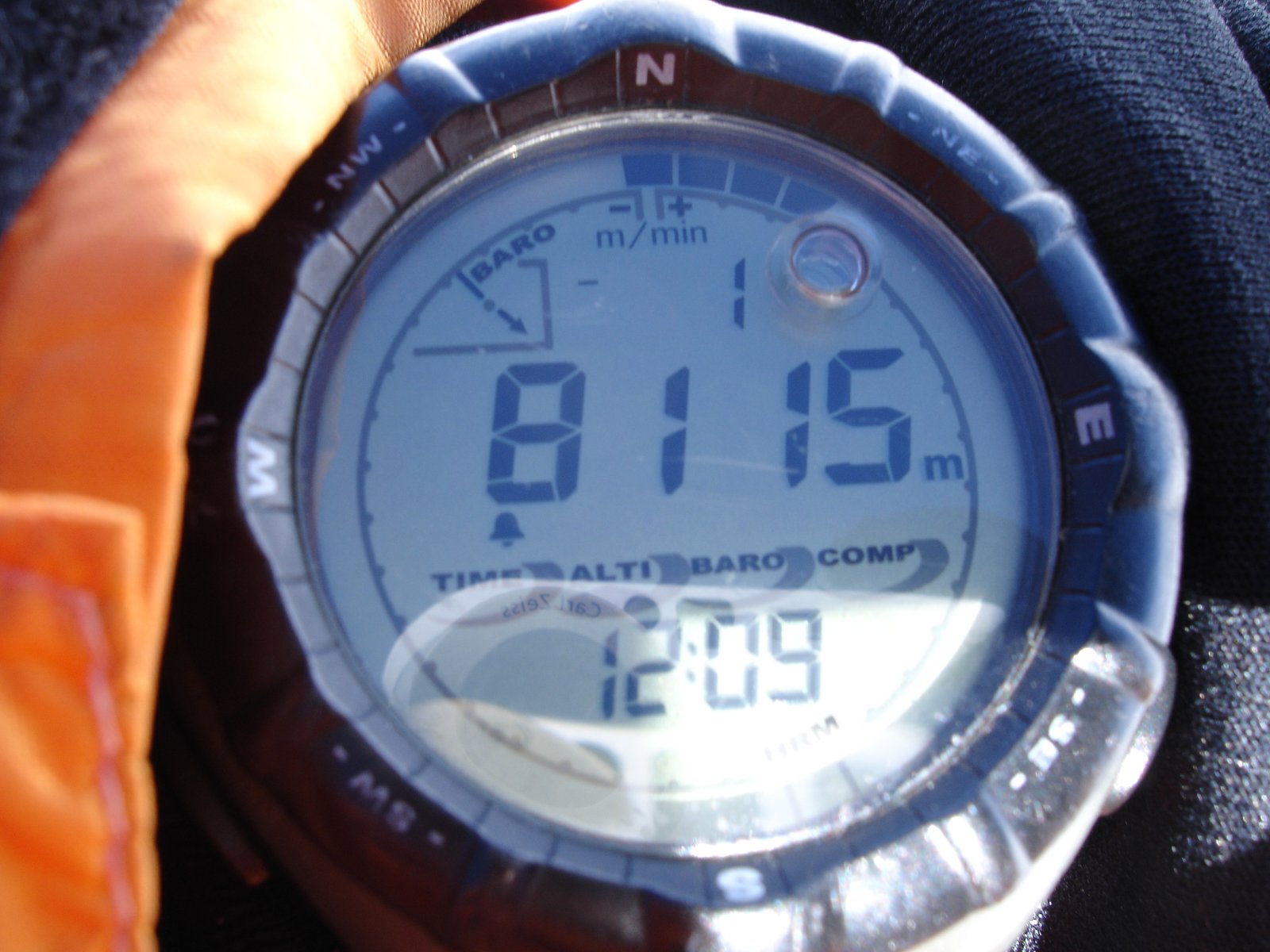
A few photos. The altimeter on my wrist reads 8,115 metres — altimeters lie a little, this high, but never mind. And already it’s time to head down: catch up with my teammates, handle the technical sections of the descent.
The story — leaving at first light
We had decided to set off at daybreak, to be less cold. Other expeditions were leaving Camp 3 at midnight. It was hard not to get up that early too — you don’t really sleep at these altitudes anyway. But we knew: if the cold gripped us, we’d have to turn back. Stick to the plan we had built, accepted and validated all together, despite the doubts. It paid off: most of the climbers without oxygen who left at midnight would turn back before the summit, for fear of frostbite.
The descent — where it all plays out
I soon rejoin Riri, Michel and Éric. The descent route faces due west, the sun warms us… and a deep fatigue takes hold. The urge to sleep. At the belay, in the time it takes to rig the abseil, one of us is already asleep. Every alarm bell goes off in my head. Don’t fall asleep. Don’t let go — or the waking, once the sun has set, will be terrible. Get down. Fast, but carefully. No mistakes. It’s so long.
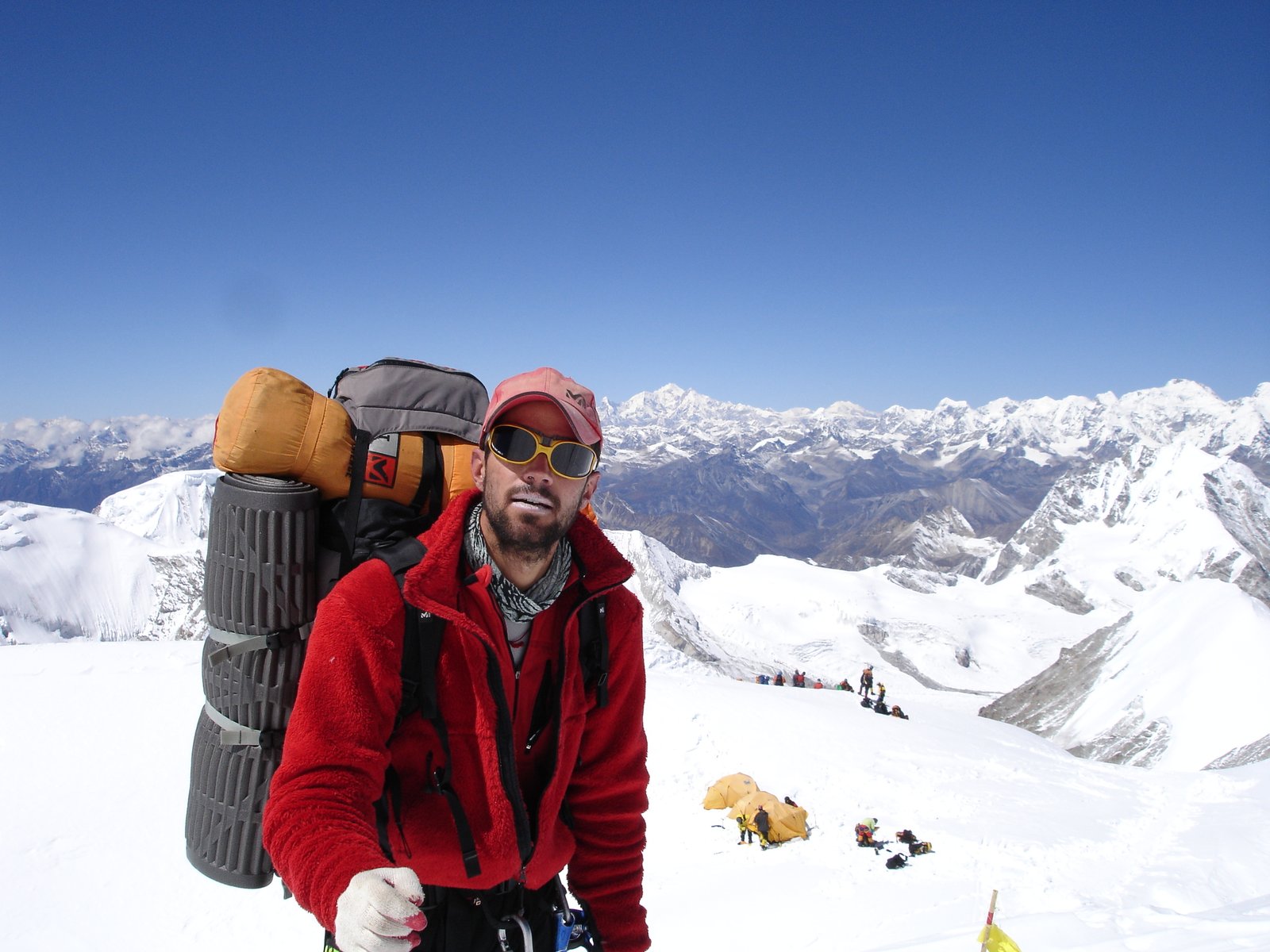
We reach the camp the four of us had left, at 7,500 metres. We make a little water, try to eat, some lie down and sleep a while. Then we strike camp to go lower still, to Camp 2 at 7,000 metres — hoping to sleep better and be less cold. Technically easy, but fatigue and the letting-go (the great dangers now behind us) slow us down. Camp 2: what joy, and what exhaustion. We pitch the tents and collapse without even eating. Happy.
Without oxygen, without sherpas
That choice — climbing in autonomy, with no supplementary oxygen and no high-altitude sherpas — was no pose. It was a demanding, coherent way of living the mountains, one we took on together. It’s also what makes this summit, and this descent, so precious in our memories. We’ll come back to it in the second part of this series.
The Cho Oyu 2006 team
The guides: Yann Delevaux, Xavier Carrard, David Ravanel and Richard Perez.
Their rope-mates: Éric Angiboust, Michel Baccard, Igor Cosson, Stéphane Bourrel, Alexis and Jean-Guillaume Despatures.
Seven of us would reach the summit that day. The others stopped lower, at the right moment — a mountaineer’s decision, never a failure. We’ll pay tribute to them in the “Team” instalment.
Cho Oyu, 20 years — the series
Cho Oyu in brief
What is the altitude of Cho Oyu?
Cho Oyu stands at 8,201 m by the historic measurement (8,188 m by recent surveys). It is the 6th highest mountain in the world, on the Tibet–Nepal border.
What does climbing an 8000er “without oxygen and without sherpas” mean?
It means climbing with no supplementary oxygen and without high-altitude sherpa support for load-carrying and fixing: you carry, break trail and protect yourself, in full autonomy. A much higher level of commitment.
Is Cho Oyu a good 8000er to start high-altitude climbing?
It’s one of the most technically approachable 8000ers, often chosen as a first 8000er — but the altitude, cold and commitment remain extreme, all the more so without oxygen.
Drawn to the high mountains?
A project, a dream of altitude, a simple question? Let’s talk — we take the time, no strings attached.
Contact usNuyama is a mountain-adventure agency, born in Chamonix in 2019 — but its guides have known each other and climbed together for far longer, all the way up to the 8000ers of the Himalaya. You don’t consume a destination here: you live a crossing. Discover our high-mountain climbs and who we are.